Skip to content

AEC news · Global · Global Construction Review

CIOB praises Irish budget but warns of underlying constraints and a retreat on carbon taxes

Excerpt from Global Construction Review

The Chartered Institute of Building (CIOB) has responded to Ireland’s 2027 budget announcement, welcoming investment in transport, housing and energy infrastructure, but noting concerns about underlying constraints in housing delivery and the reduction of carbon taxes. The €8.65bn budget contains €7bn in additional spending and €1.65bn in tax measures. Infrastructure €4.2bn is earmarked for National Development Plan projects such as Dublin’s DART+ rail system, Cork Area Commuter Rail and the nationwide BusConnects programme, plus road projects like the Galway Ring Road and the M28 from Cork to Ringaskiddy. €6bn will be spent between 2027 and 2030 to progress MetroLink, the country’s first high-capacity, automated underground railway. The CIOB wants to see the investment accompanied by sufficient capacity in delivery agencies. Planning, procurement and coordination must also be improved to reduce delays in major projects.

Published by Global Construction Review ·

Read the full article on Global Construction Review (opens in a new tab)
Image: Global Construction Review

Image: Global Construction Review, shown from the publisher’s website.

Is your project on track?

CloudBrain Project Audit carries out independent audits of design, quality, documentation and billing on construction projects worldwide, before, during and after construction.

CloudBrain Project AuditIndependent technical and commercial audits of construction projects.

Countries and topics

The headline and excerpt are from Global Construction Review, which owns them; CloudBrain is not affiliated with Global Construction Review. Read the original article (opens in a new tab) · All AEC news
  • Global · Dezeen ·

    "Sacred" archaeological finds become raw materials for design in Ex Situ exhibition

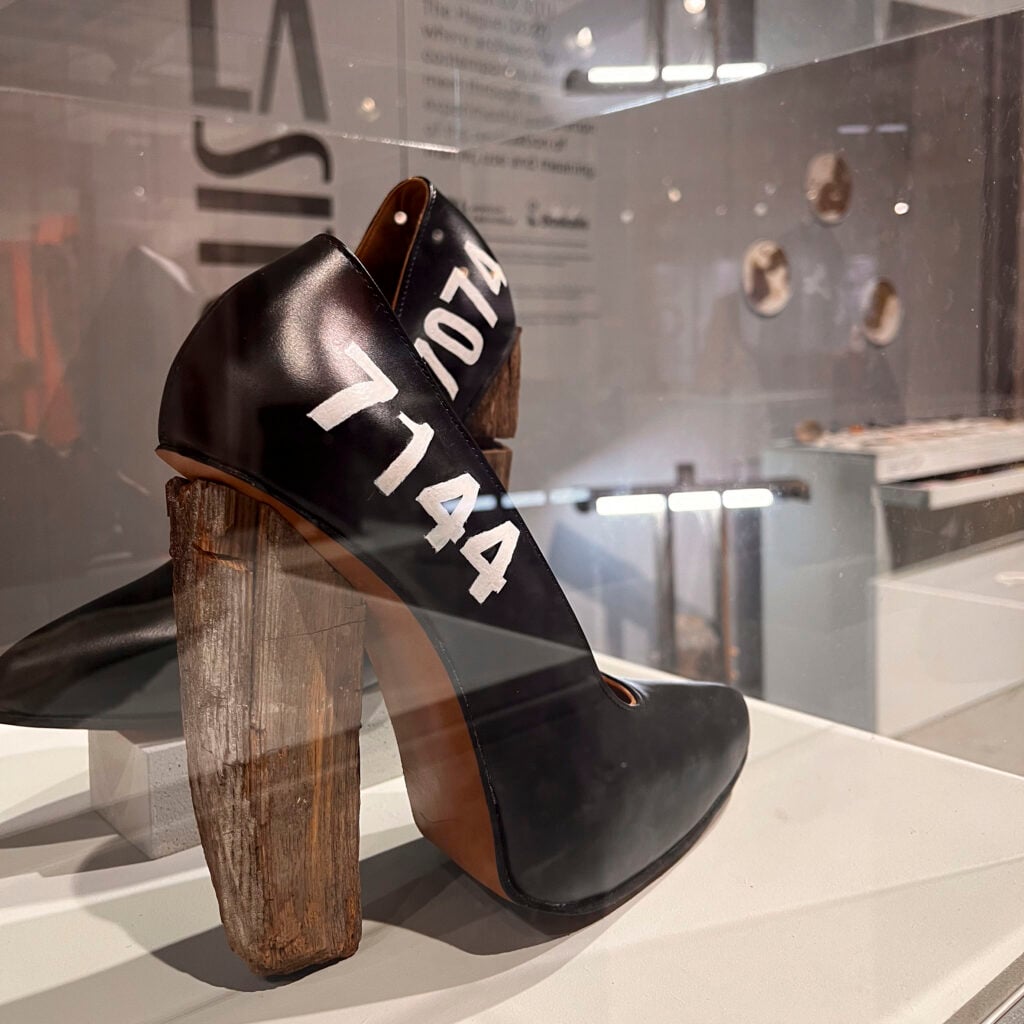
    New objects made from mammoth bone, leather from the middle ages and stumps from a road built under Roman Emperor Hadrian feature in the Ex Situ project, set to be exhibited soon in The Hague . Initiated and curated by Dutch designer Marisa Klaster , working in concert with archaeologist René Isarin, the project makes use of materials that many in Isarin's profession and the broader public might consider off-limits for new designs: the finds from archaeological digs. However, while these finds, such as 40,000-year-old mammoth bone and 14th-century ship wood, sound like they belong in a museum, they are in fact deselected – not chosen for inclusion in any archives. Deselected finds are duplicates, common in type, poorly preserved or otherwise judged to have limited future research value.

  • Global · Dezeen ·

    Mondaine turns solar technology into design feature with Doppio Solar Skeleton timepiece

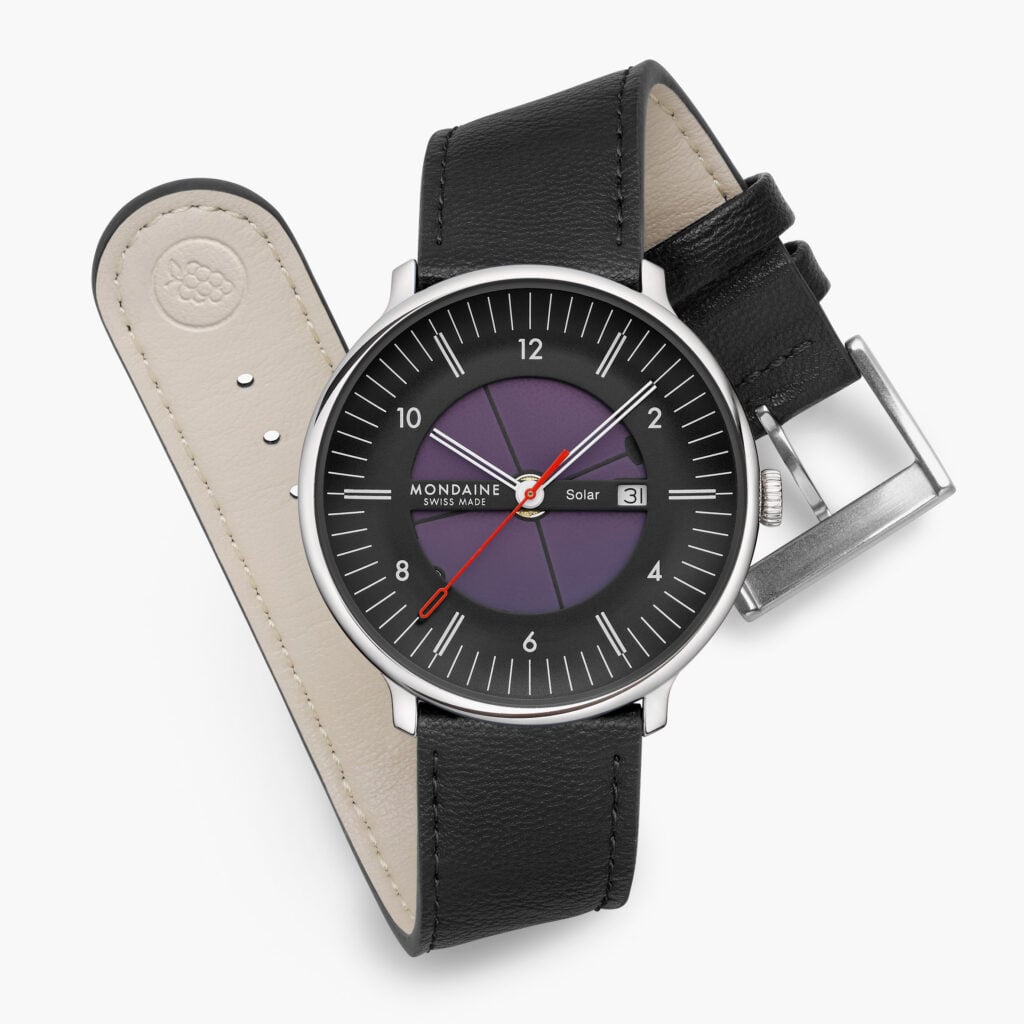
    Swiss watchmaker Mondaine has expanded its Doppio collection with the Solar Skeleton, a timepiece that brings solar technology into the foreground of its design. Rather than concealing the solar plates beneath the dial, the watch reveals them through a precisely cut circular opening, turning a functional component into a defining visual feature. The design builds on the distinctive visual language of Mondaine 's Doppio collection, which is characterised by double-line hands and indexes, a concave dial and a double-domed sapphire crystal. Mondaine explained that these elements establish a sense of repetition, rhythm and structural clarity, while the exposed solar plates introduce an additional layer of depth and visual interest. While solar technology is typically hidden from view, Mondaine has taken a different approach with the Doppio Solar Skeleton.

  • Global · ArchDaily ·

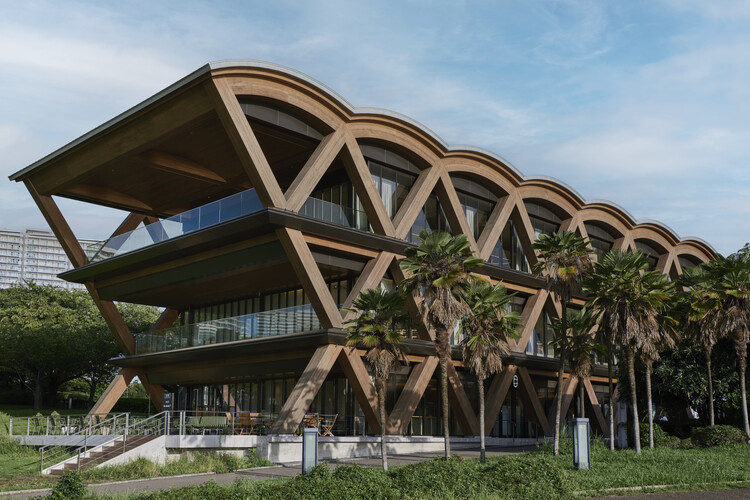
    Yokohama Timber Wharf / Taiju Yamashita Design and Architecture

    Set in Rinko Park, the largest green space in Yokohama's Minato Mirai 21 district, Yokohama Timber Wharf is a multipurpose facility designed to connect architecture with the life of the waterfront park. Facing Yokohama Bay, the park's seaside promenade and broad lawns attract families, runners, and visitors throughout the year. The project brings dining and outdoor recreation support into this setting, creating a new gathering place and encouraging movement through Yokohama's coastal city center. DRAFT leads the development, while Taiju Yamashita Design and Architecture is responsible for the architectural design.

Talk through your AI plans with our team

Book a strategy call. We'll look at where AI can save your team time, what it will take, and what to leave alone.