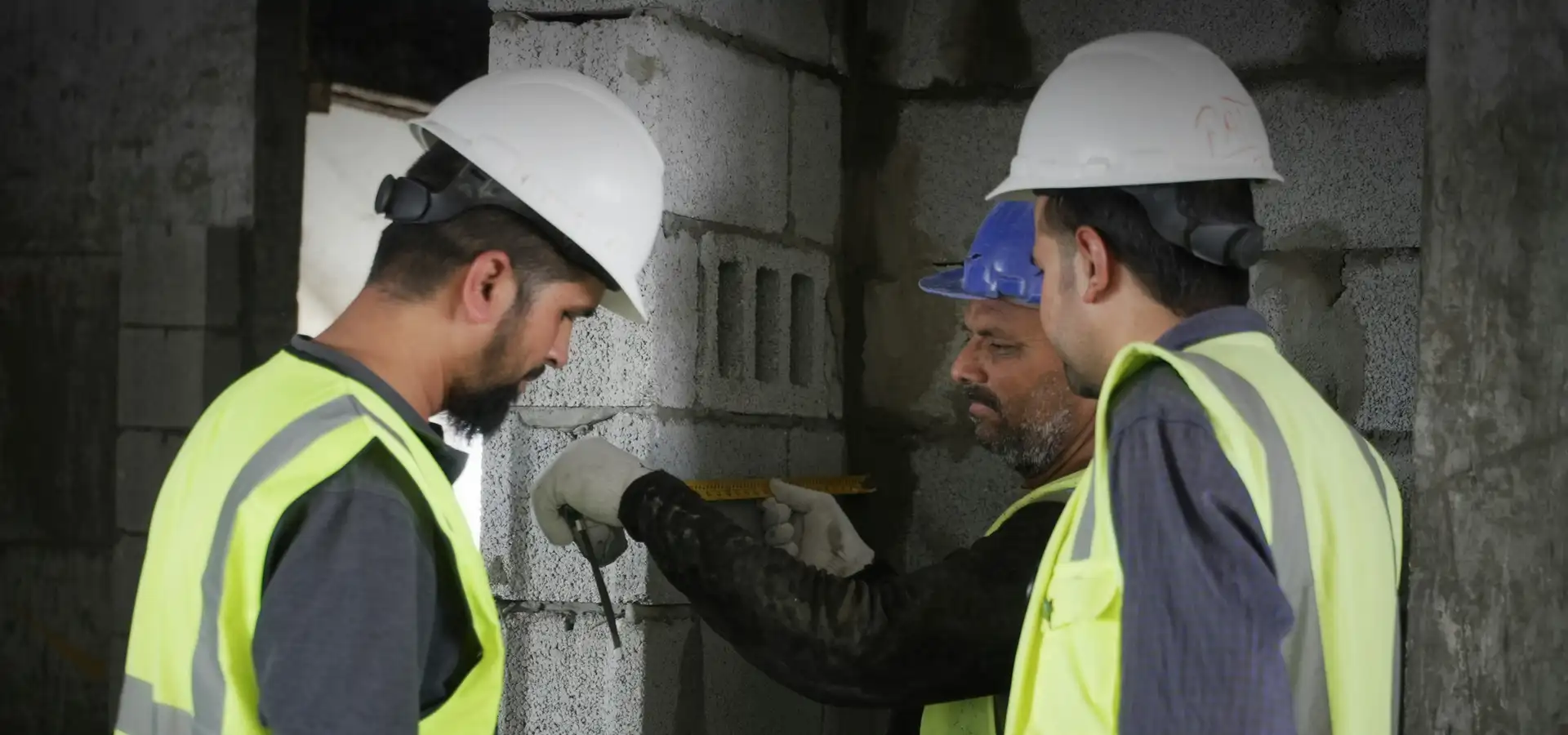
What does a construction stage audit check?
- Quality: QA/QC plans, inspection and test plans, material test certificates and results, and non-conformance records, plus workmanship inspected on site.
- Progress: actual progress against the programme, delays and their causes, and whether the recovery plan is credible.
- Billing and measurement: running bills checked against measured quantities, drawings and site records; rates against the contract; deductions, advances and retention.
- Variations and change orders: whether each one was instructed, approved and priced in line with the contract.
- Documentation: drawing revisions on site, RFIs, approvals, site diaries, minutes and registers.
- Health, safety and environment: safety plans, permits to work, incident records and environmental controls.
| When | At any point during the works, or at set milestones such as each running bill or each floor cycle |
|---|---|
| What we check | QA/QC records, workmanship, progress, running bills and measurements, variations, site records, safety |
| Outputs | A findings report with evidence, risk and cost impact, recommended actions and a summary for decision makers |
| Typical duration | A single audit typically takes 3–6 weeks; or monthly or milestone visits for the life of the project |
| Delivery | Document review remotely, with site inspections in India directly and elsewhere by arrangement |
- Design and tender
- Construction
- Handover
- Defects liability period
What documents do we ask for?
- Contract, approved drawings and current revision register
- QA/QC plan, inspection and test plans, material test certificates
- Running account bills with the measurement book or measurement sheets
- Variation and change-order register with approvals
- Programme, progress reports and minutes of meetings
- Site diary, RFI register, non-conformance reports and safety records
What does the construction-stage checklist cover?
Quality
- Inspection and test plan exists and is followed for each activity
- Material test certificates match the materials and batches used
- Workmanship inspected on site matches the drawings and specifications
- Non-conformances are recorded, corrected and closed
Billing
- Billed quantities match measurements and approved drawings
- Rates match the contract; non-tender items are approved
- Advances, recoveries, deductions and retention are applied correctly
Progress, records and safety
- Progress matches the programme; delays have causes and a recovery plan
- Drawings on site are the current revision
- Safety plan, permits to work and incident records are in place
See all stages on the audit checklists page.
What does a typical finding look like?
These are illustrative examples of the kind of findings a construction-stage audit reports. They are not from a real project.
Running bill claims the full slab area; the drawing shows a 12 m² opening not deducted
- Evidence
- Measurement sheet for the sampled bill compared with structural drawing S-402
- Recommendation
- Re-measure and correct the quantity in the next bill
Cube test results missing for two slab pours
- Evidence
- Pour register compared with the concrete test register for the sampled month
- Recommendation
- Locate the records or commission in-situ testing; hold related payments
Superseded drawing revisions in use on site for one block
- Evidence
- Site inspection compared with the drawing register
- Recommendation
- Withdraw superseded drawings and set up a controlled drawing issue process
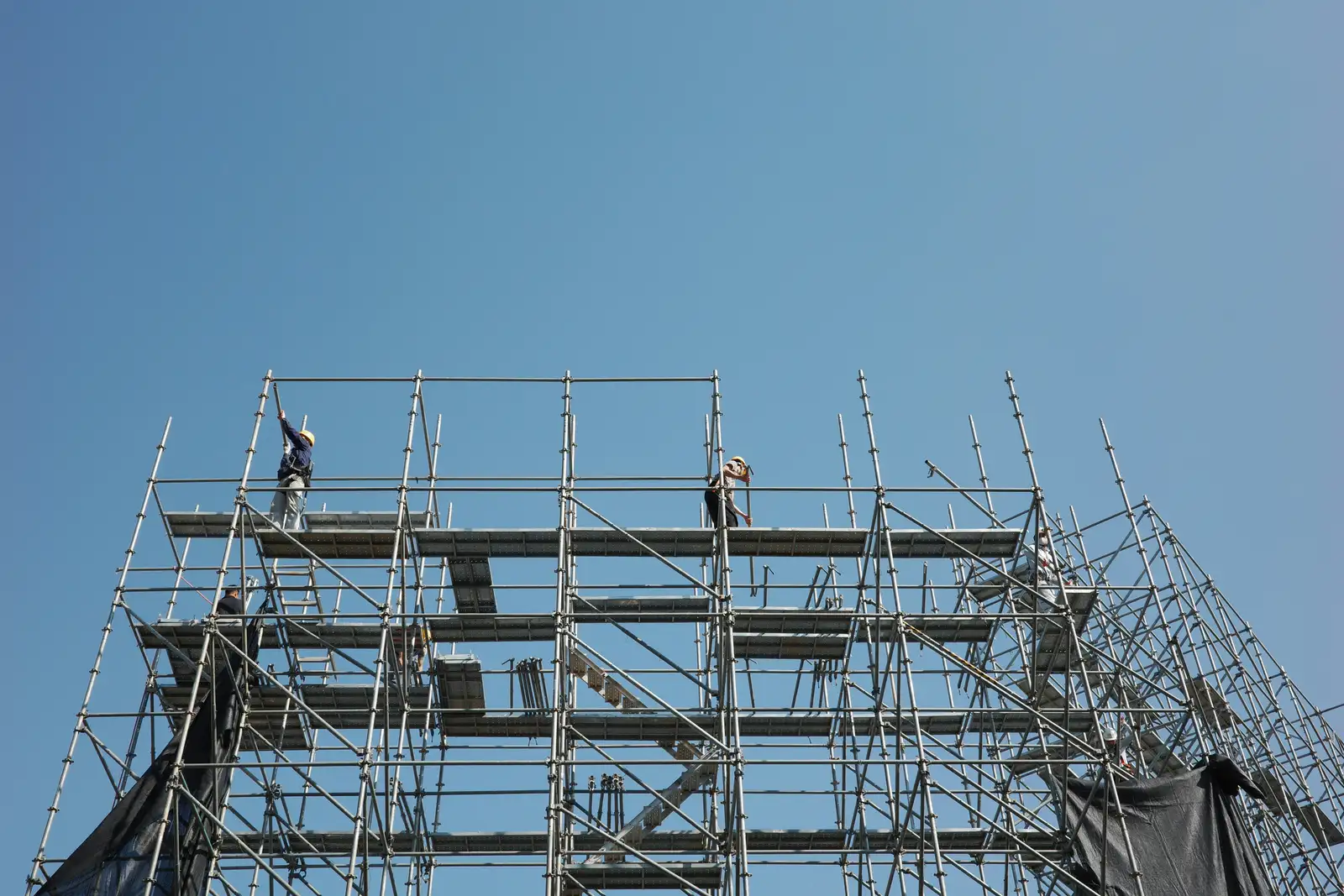
Edge protection missing at an open slab edge on an upper floor
- Evidence
- Site inspection photo log
- Recommendation
- Stop work in the area until edge protection is installed and checked; reported the same day
Non-tender item paid at a rate that was not approved
- Evidence
- Bill extract compared with the variation register
- Recommendation
- Obtain a rate analysis and approval, or recover the difference
When should you commission it?
Before large payments, at key milestones (structure, services, finishes), when progress or quality is in doubt, or when a lender or investor needs an independent view before releasing funds.
What do you get?
A written report: each finding with its evidence, its risk or cost impact and a recommended action, a list of bill items to hold or correct where billing is in scope, and a short summary for decision makers. We then walk your team through the findings.
Frequently asked questions
What does a construction stage audit include?
- A review of QA/QC plans and test records, inspection of workmanship on site, progress against the programme, running bills and measurement records, variations and change orders, site records and registers, and health and safety practice.
Can you check a running bill before it is paid?
- Yes. We check measured quantities against drawings and site records, rates against the contract, and variations against approvals, and list the items to hold or correct.
How often should a project be audited during construction?
- It depends on the size and risk of the project. Many owners choose an audit at key milestones, such as the structure, services and finishes stages, or before large payments.
Do you inspect the site?
- Yes, where the scope includes it. Site inspections are made directly in India and by arrangement elsewhere, through travel or a local partner agreed for each project.