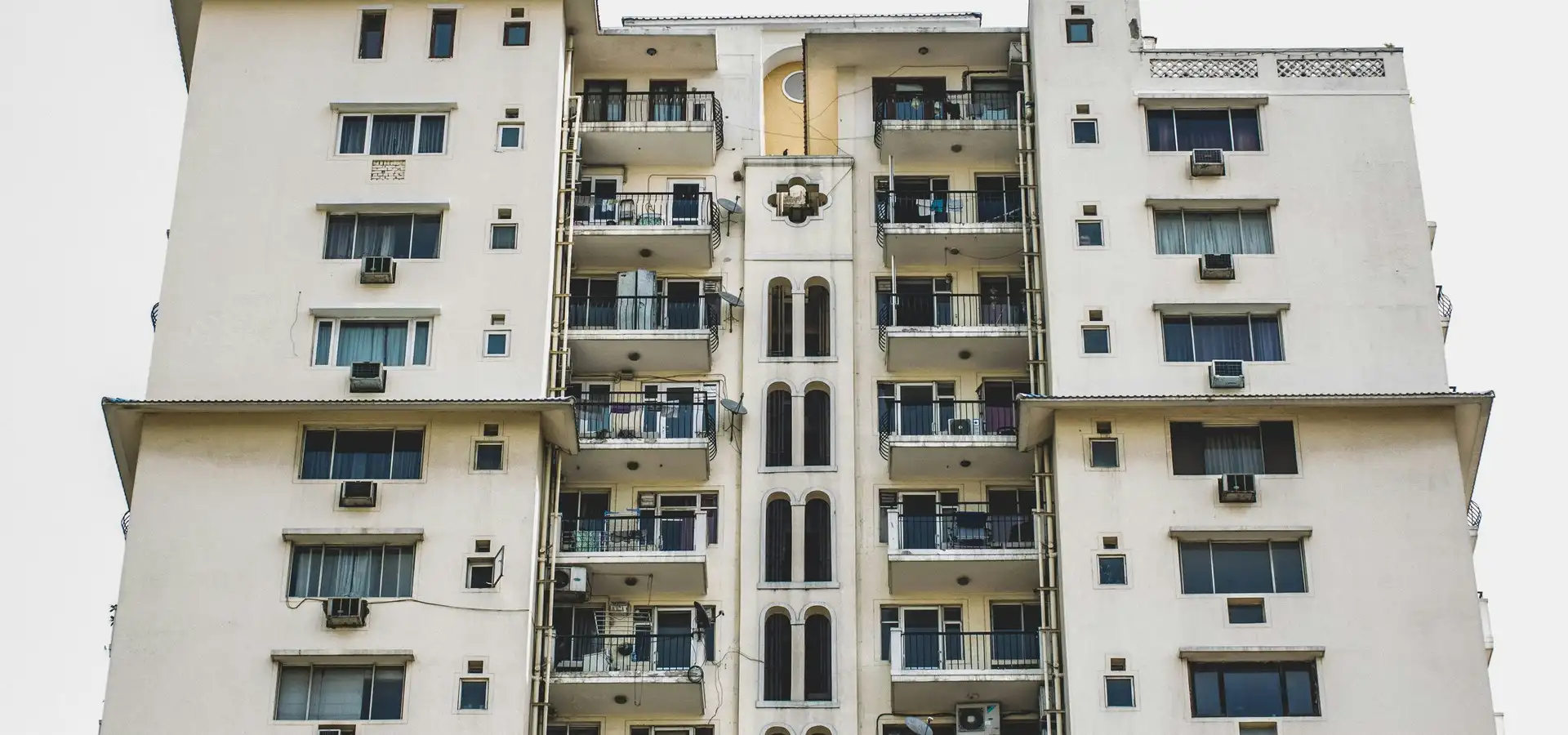
What do we check on group housing projects?
- Design: typical floor and unit design against the brief, the sanctioned plans and the codes that apply, plus services and structure coordination.
- Repeated quality: quality of the typical floor cycle, and whether it stays consistent across floors and towers.
- Unit snagging: units checked against an agreed checklist, every unit or a sample, with open items listed by unit.
- Stage-wise billing: contractor bills against floor-cycle progress, measurements and the contract.
- Approvals and documentation: sanctions, occupancy-related approvals, site records and handover documents.
- Amenities and common areas: clubhouses, podiums, landscape and services that serve the whole development.
| Project types | Residential towers, group housing societies, townships and plotted developments with amenities |
|---|---|
| Typical focus | Repeated quality across floors and towers, unit snagging, stage-wise billing, approvals and handover records |
| Stages | Pre-construction, construction and post-construction, one stage or all of them |
| Delivery | Document review remotely, with site inspections in India directly and elsewhere by arrangement |
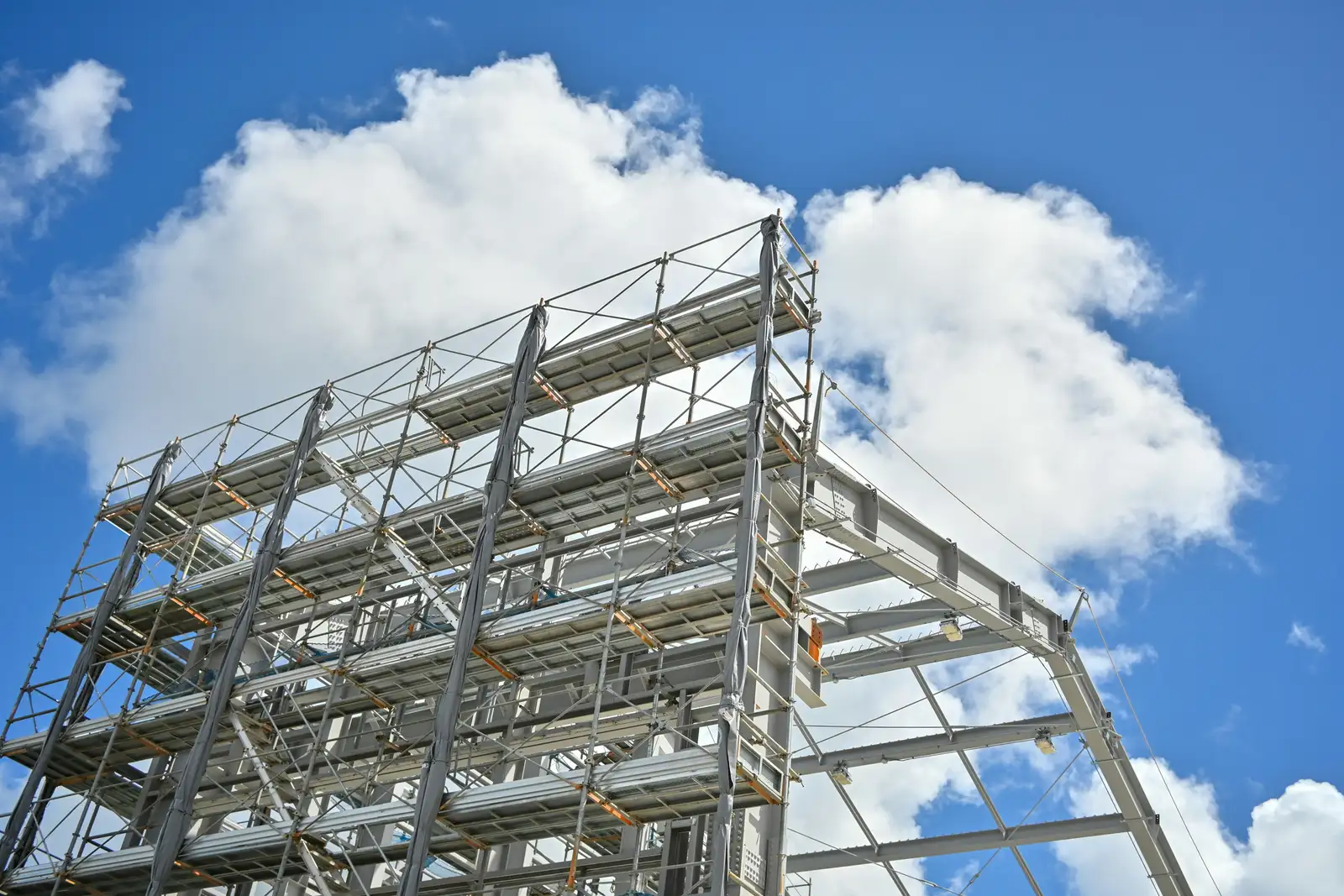
What are the key risks at each stage?
| Stage | Typical risks on group housing projects |
|---|---|
| Pre-construction | Typical floor and unit details not coordinated; areas in the drawings not matching sanctioned plans |
| Construction | Quality drifting as floor cycles speed up; stage-wise bills ahead of actual progress; waterproofing and services sleeves missed |
| Post-construction | Unit snags not closed before possession; common-area systems not fully commissioned |
Which codes and standards do we check against?
For projects in India, we check against the codes and standards that apply, such as the National Building Code of India 2016 (including Part 4 on fire and life safety), IS 456 for concrete, IS 800 for steel, IS 875 for design loads and IS 1893 for earthquake resistance, along with local building bye-laws. Outside India, we check against the codes and standards that apply where the project is. In India we also check that construction records support the developer's obligations under the Real Estate (Regulation and Development) Act, 2016; the filings themselves stay with the developer's advisers.
What does a typical finding look like?
These are illustrative examples, not from a real project.
Bathroom waterproofing tests not recorded for upper floors of one tower
- Evidence
- Waterproofing test register compared with the floor-cycle progress
- Recommendation
- Test before tiling continues; record each test with photos
Floor slab billed for a floor where shuttering is still in place
- Evidence
- Stage bill compared with site inspection
- Recommendation
- Bill the stage only after casting is complete and verified
Unit snag lists do not record who closed each item and when
- Evidence
- Sampled unit snag sheets
- Recommendation
- Add owner and close-out date fields before possession starts
Which stage should you audit?
Before tender to get the typical floor right, during construction at the first floor cycles and before large payments, and at handover for unit snagging and the final account. See the pre-construction, construction and post-construction audits.
Frequently asked questions
What is different about auditing group housing?
- The same details are built on every floor and in every tower, so design and quality problems repeat at scale. Audits focus on getting the typical floor and unit right early, and on checking that quality stays consistent as work repeats.
Do you snag individual flats?
- Yes, as part of a post-construction audit we can snag units against an agreed checklist, either every unit or a sample, and report open items by unit.
Can you check stage-wise billing for a housing project?
- Yes. We check contractor bills against floor-cycle progress, measurements and the contract, and look for advance billing of incomplete stages.
Do you review documentation for RERA in India?
- We check that construction records, approvals and progress documentation are complete and consistent. Filings under the Real Estate (Regulation and Development) Act, 2016 remain the developer's responsibility with their legal and financial advisers.