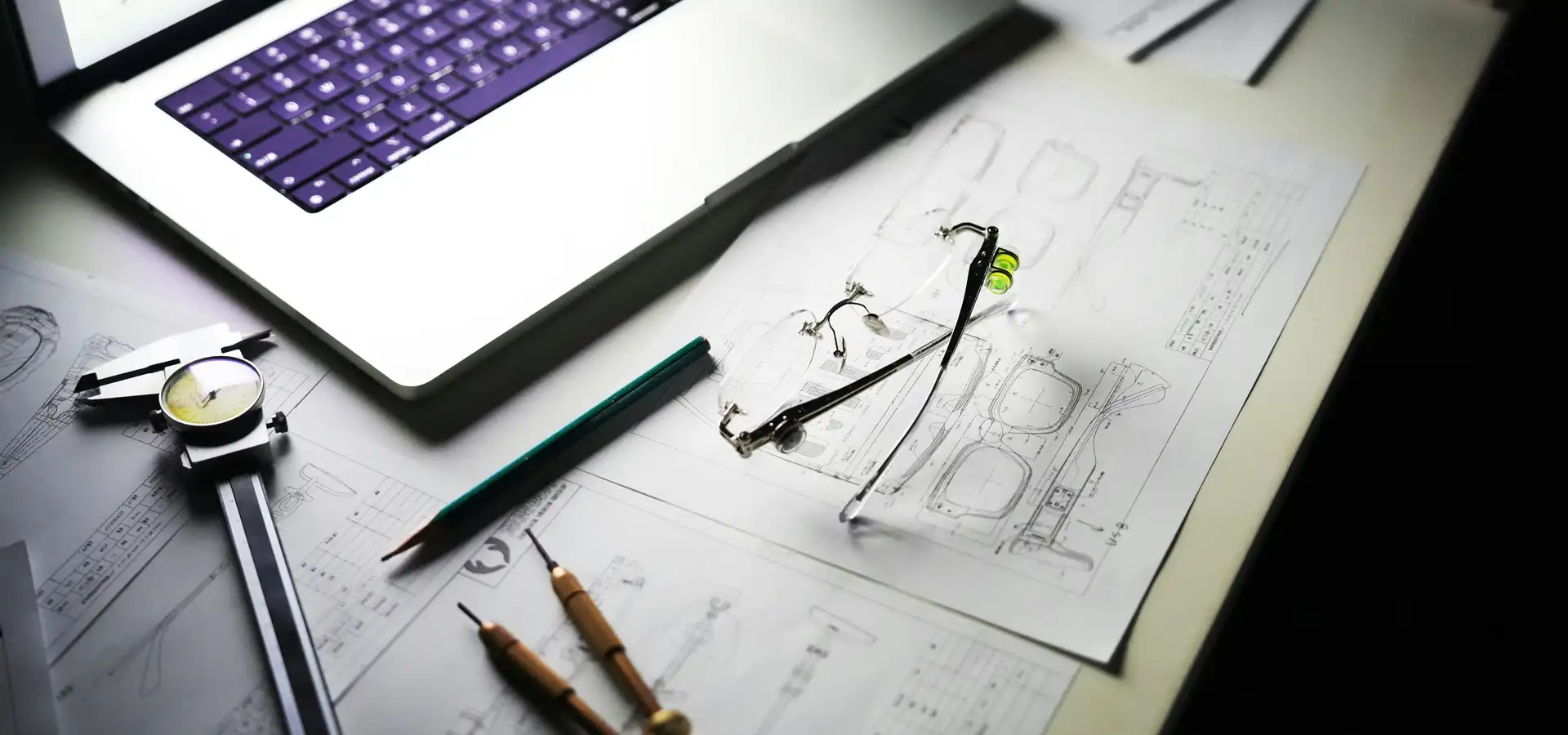
What does a pre-construction audit check?
- Design: drawings and specifications checked against the client's brief and the building codes and standards that apply where the project is (for example, India's National Building Code, or the local codes elsewhere).
- Coordination and constructability: clashes and gaps between architectural, structural and services drawings, and details that will be hard to build.
- BOQ and estimate: quantities for the main items tested against the drawings, missing or duplicated items, and descriptions that don't match the specifications.
- Tender and contract documents: scope gaps, unclear responsibilities, payment and variation terms, and conflicts between documents.
- Approvals: permissions and the conditions attached to them, and what is still pending.
- Programme and risks: whether the schedule is realistic, the critical path, and what the risk register misses.
| When | After design development and before tender, or before contract award and mobilisation |
|---|---|
| What we check | Design and coordination, BOQ and estimate, tender and contract documents, approvals, programme and risk register |
| Outputs | A findings report with evidence, risk and cost impact, recommended actions and a summary for decision makers |
| Typical duration | Typically 2–4 weeks, agreed in the engagement letter |
| Delivery | Mainly remote, from shared drawings and documents; site visits where useful |
- Design and tender
- Construction
- Handover
- Defects liability period
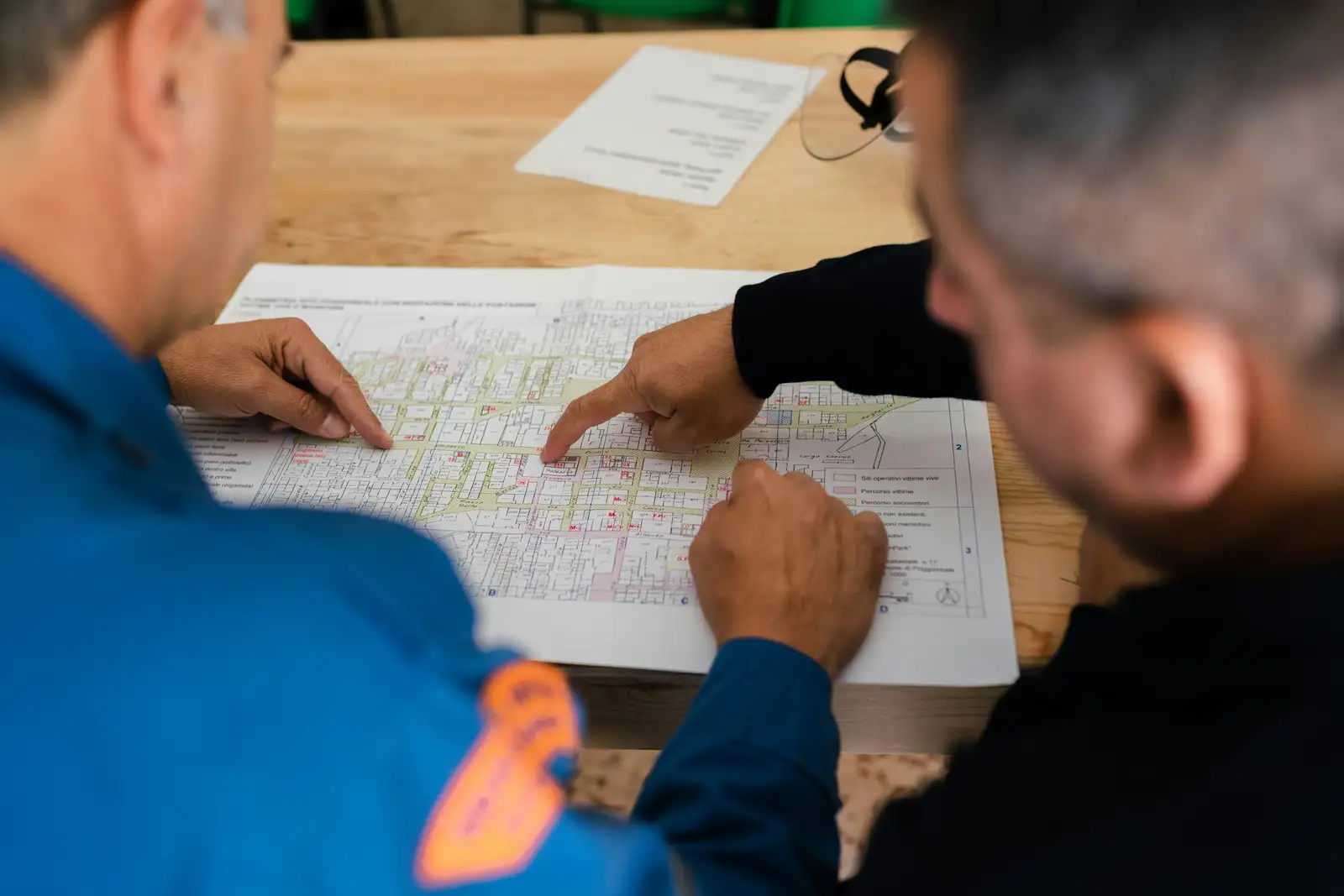
What documents do we ask for?
- Client brief and design basis report
- Architectural, structural and MEP drawings with their revision register
- Specifications and the BOQ with the cost estimate
- Tender documents, draft contract and conditions of contract
- Approvals obtained and pending, with their conditions
- Programme and the project risk register
What does the pre-construction checklist cover?
Design
- Drawings meet the brief: areas, functions and specifications
- Design complies with the codes and approvals that apply (for example NBC 2016, or local codes)
- Architectural, structural and MEP drawings are coordinated, with no clashes at key junctions
- Details are buildable with the materials and methods specified
Cost and BOQ
- BOQ quantities for major items match the drawings
- No missing, duplicated or vague items; provisional sums are justified
- Item descriptions match the specifications
Contracts and approvals
- Scope, interfaces and responsibilities are clear between packages
- Payment, variation, escalation and retention terms are workable
- Required approvals are in hand, or planned in the programme
See all stages on the audit checklists page.
What does a typical finding look like?
These are illustrative examples of the kind of findings a pre-construction audit reports. They are not from a real project.
Stair width on the second escape stair is below the minimum for the occupant load
- Evidence
- Architectural drawing A-201, revision C, compared with the fire and life safety requirements that apply
- Recommendation
- Revise the stair design and confirm with the fire consultant before tender
Main HVAC duct clashes with a beam at level 3
- Evidence
- Overlay of structural drawing S-310 and HVAC drawing M-305
- Recommendation
- Coordinate a revised duct route and issue a coordinated drawing before tender
Waterproofing to the basement retaining walls is shown on the drawings but missing from the BOQ
- Evidence
- Drawing S-105 compared with BOQ section 4
- Impact
- A certain variation claim after award, at a non-competitive rate
- Recommendation
- Add the item to the BOQ with quantities before tender
Responsibility for the site drainage interface is not assigned to either the civil or the MEP package
- Evidence
- Scope sections of both tender packages
- Recommendation
- Assign the interface in one package and reference it in the other
When should you commission it?
Before tender, while changes are still cheap, and again before contract award if the tender package has changed. Lenders and investors also commission it before committing funds.
What do you get?
A written report: each finding with its evidence (drawing, clause or document reference), its risk or cost impact, and a recommended action, plus a short summary for decision makers. We then walk your team through the findings.
Frequently asked questions
What does a pre-construction audit include?
- A review of the design against the brief and the codes that apply, coordination between disciplines, constructability, the BOQ and cost estimate, the tender and contract documents, statutory approvals, the programme and the risk register.
When is the best time for a pre-construction audit?
- After design development and before tender is the most useful point, because design and contract changes still cost little. A second check before contract award catches gaps in the final tender package.
Do you check the BOQ against the drawings?
- Yes. We test quantities for the main items against the drawings, look for missing or duplicated items, and check that descriptions match the specifications.
Do you redesign the project?
- No. We report findings and recommend actions; your architects and engineers stay responsible for the design.