Skip to content

AEC news · Global · Global Construction Review

EU helps finance €2bn Romanian rail upgrade

Excerpt from Global Construction Review

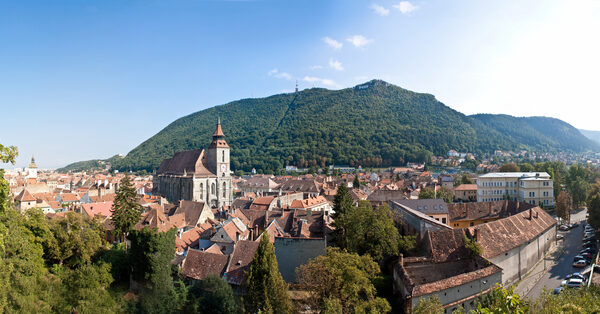
The EU’s European Investment Bank (EIB) has signed a €630m financing agreement with Romania for the €2.25bn upgrade of the Brașov-Sighișoara railway. The project will upgrade 113km of double-track, electrified railway between Brașov and Sighișoara in central Romania to let passenger trains travel at up to 160km/h and freight trains at up to 120km/h. It will allow longer and heavier freight trains to use the route. The upgraded line will carry an estimated four million passengers and six million tonnes of freight a year. The upgrade will remove bottlenecks from both the Rhine-Danube rail corridor and the trans-European transport network. The goal is to reduce road congestion by encouraging more rail travel. The EIB will help Romanian authorities prepare and implement the investment. “This is an investment in people, connectivity and Romania’s future,” said EIB vice president Ioannis Tsakiris.

Published by Global Construction Review ·

Read the full article on Global Construction Review (opens in a new tab)
Image: Global Construction Review

Image: Global Construction Review, shown from the publisher’s website.

Is your project on track?

CloudBrain Project Audit carries out independent audits of design, quality, documentation and billing on construction projects worldwide, before, during and after construction.

CloudBrain Project AuditIndependent technical and commercial audits of construction projects.

Countries and topics

The headline and excerpt are from Global Construction Review, which owns them; CloudBrain is not affiliated with Global Construction Review. Read the original article (opens in a new tab) · All AEC news
  • Global · Dezeen ·

    "Sacred" archaeological finds become raw materials for design in Ex Situ exhibition

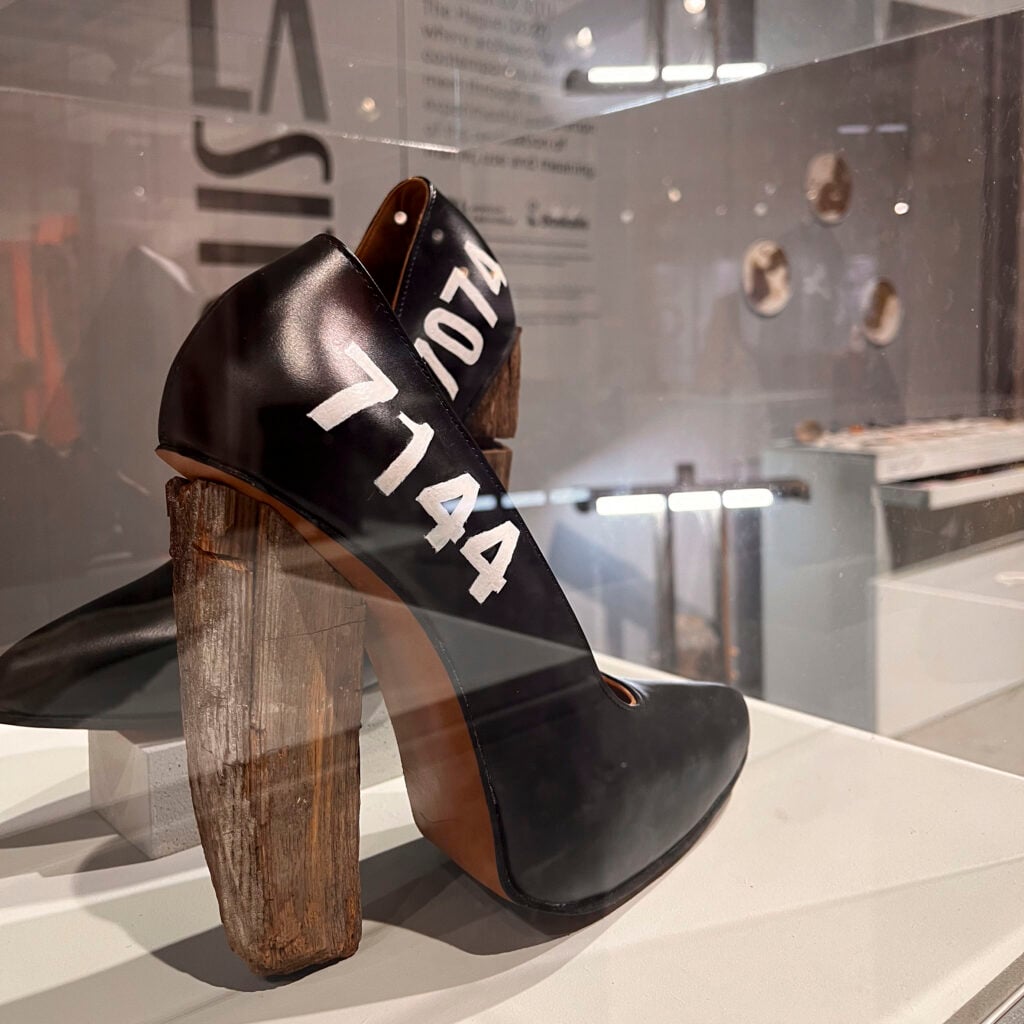
    New objects made from mammoth bone, leather from the middle ages and stumps from a road built under Roman Emperor Hadrian feature in the Ex Situ project, set to be exhibited soon in The Hague . Initiated and curated by Dutch designer Marisa Klaster , working in concert with archaeologist René Isarin, the project makes use of materials that many in Isarin's profession and the broader public might consider off-limits for new designs: the finds from archaeological digs. However, while these finds, such as 40,000-year-old mammoth bone and 14th-century ship wood, sound like they belong in a museum, they are in fact deselected – not chosen for inclusion in any archives. Deselected finds are duplicates, common in type, poorly preserved or otherwise judged to have limited future research value.

  • Global · ArchDaily ·

    Fukasawa Commercial Building / KEY OPERATION INC. / ARCHITECTS

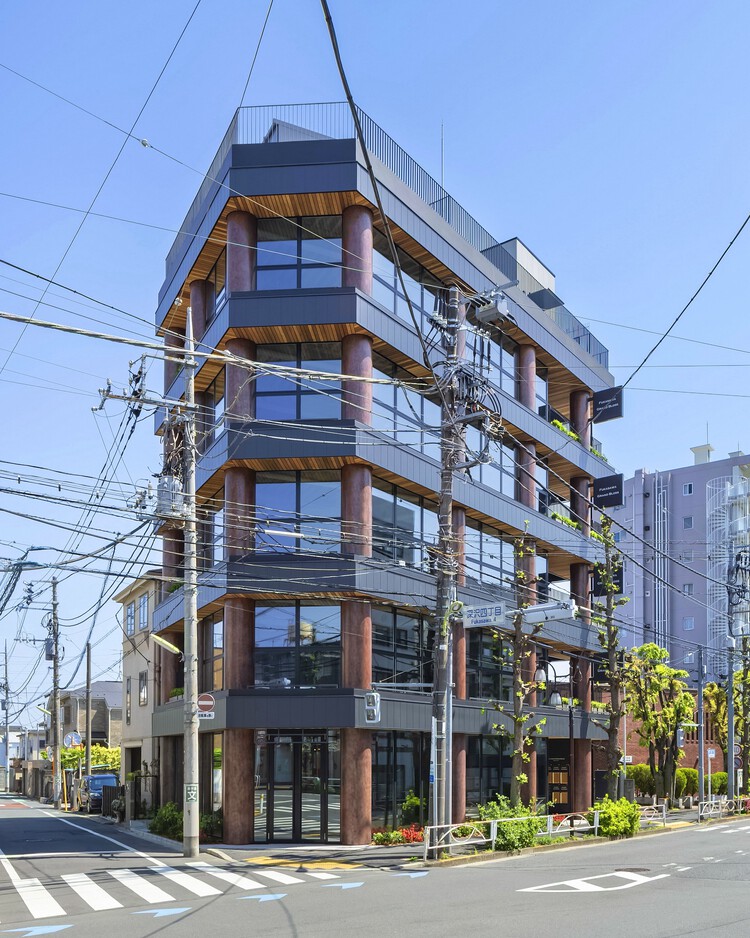
    This commercial building stands on a corner at an intersection along Komazawa Park Avenue. With cars, bicycles, and pedestrians passing by, the design considers how a building can respond to a major road through a neighbourhood of educational and medical institutions. Its materials and composition seek to balance sensitivity to the surroundings with a distinct presence.

  • Global · ArchDaily ·

    Sede Ser Headquarters / Atelier 77

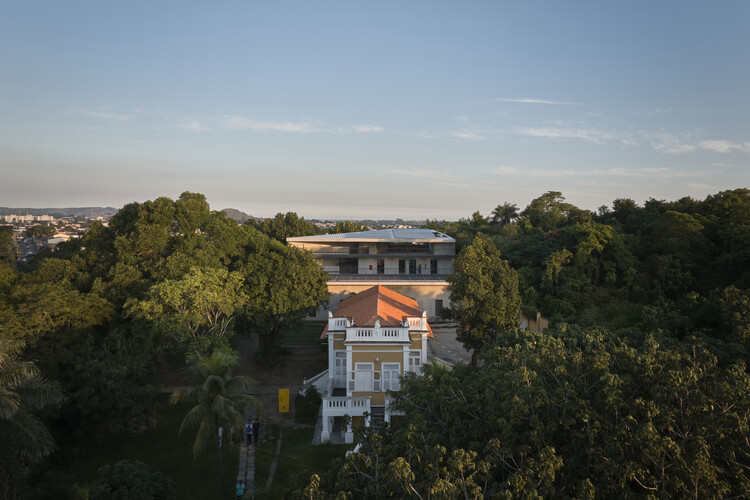
    The expansion of the Ser Cidadão Headquarters in Santa Cruz, the west zone of Rio de Janeiro , embodies in architecture the commitment of a social organization to human and community development. Since 2002, the organization has been involved in projects related to education, culture, work, and health, promoting opportunities for youth in vulnerable territories. In 2006, it received a donation of a historic mansion, the former residence of doctor and senator Júlio Cesário de Melo, whose legacy of care inspired the very essence of the project: to build spaces that welcome, educate, and transform.

Talk through your AI plans with our team

Book a strategy call. We'll look at where AI can save your team time, what it will take, and what to leave alone.