Skip to content

AEC news · Global · Global Construction Review

International team to build Zambia freight corridor

Excerpt from Global Construction Review

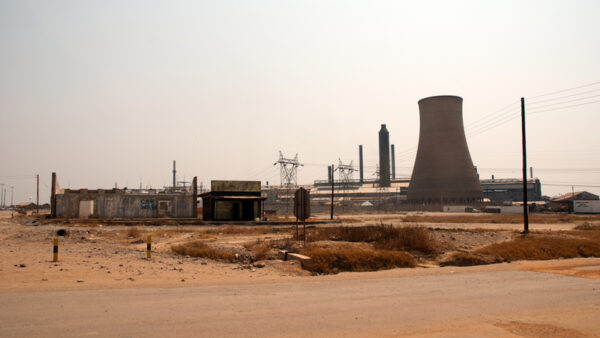
A team of Italy’s Webuild, Turkish contractor İçtaş and Portugal’s Mota-Engil has won a contract for the 517km-long Lot 1B of the Lobito Corridor Railway Project, connecting the Angolan border town of Chingola to Zambia’s north central Copperbelt province. The scope of work includes engineering, procurement and construction work in regions lacking large-scale infrastructure, plus 22 bridges and viaducts, eight stations and three maintenance depots designed to support heavy freight traffic volumes. The project is developed and sponsored by Africa Finance Corporation. Webuild says in a press release shared with GCR that the project will allow Italy’s supply chain to operate in Africa. The joint venture team is still subject to technical, commercial and legal negotiations, due to begin in November 2026. Lot 1B is the Zambian portion of the Lobito Railway Project, which will include 831km of greenfield railway between Zambia and Angola.

Published by Global Construction Review ·

Read the full article on Global Construction Review (opens in a new tab)
Image: Global Construction Review

Image: Global Construction Review, shown from the publisher’s website.

Is your project on track?

CloudBrain Project Audit carries out independent audits of design, quality, documentation and billing on construction projects worldwide, before, during and after construction.

CloudBrain Project AuditIndependent technical and commercial audits of construction projects.

Countries and topics

The headline and excerpt are from Global Construction Review, which owns them; CloudBrain is not affiliated with Global Construction Review. Read the original article (opens in a new tab) · All AEC news
  • Global · Dezeen ·

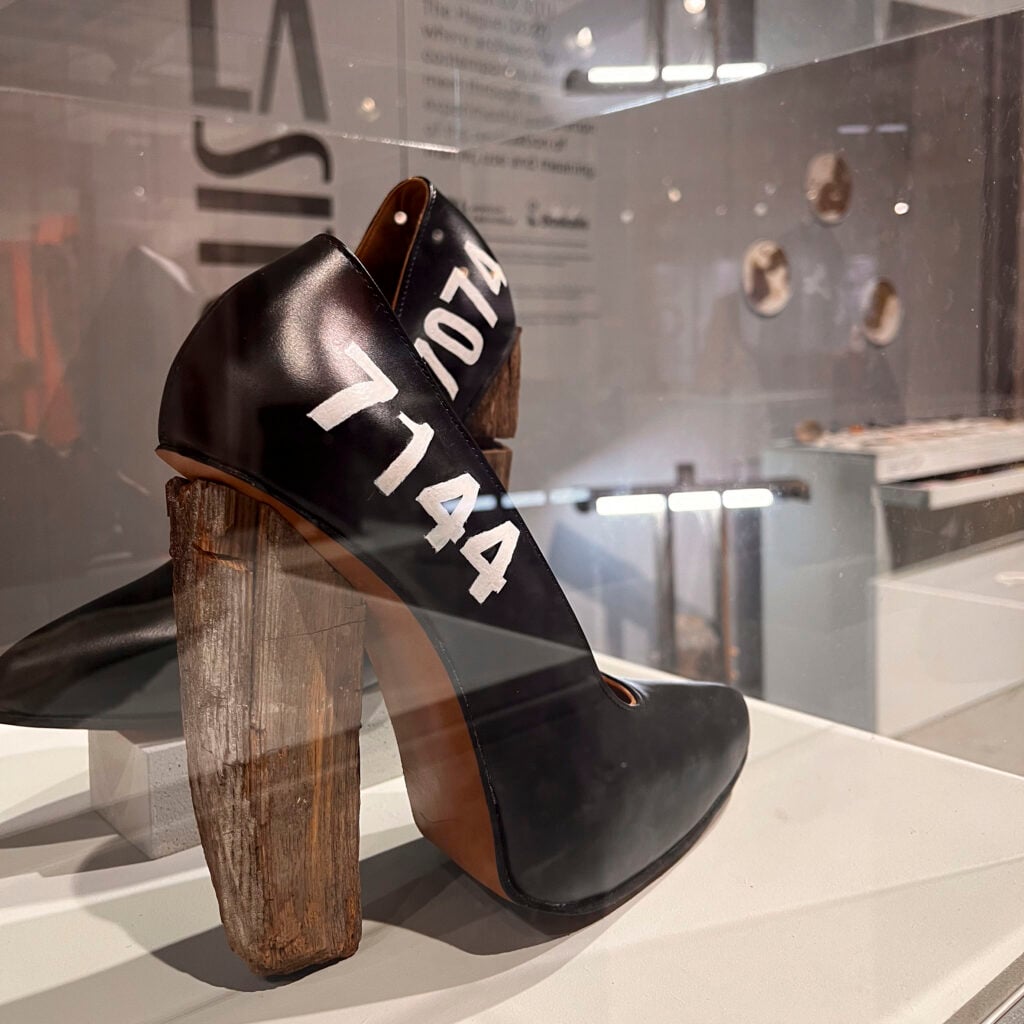
    "Sacred" archaeological finds become raw materials for design in Ex Situ exhibition

    New objects made from mammoth bone, leather from the middle ages and stumps from a road built under Roman Emperor Hadrian feature in the Ex Situ project, set to be exhibited soon in The Hague . Initiated and curated by Dutch designer Marisa Klaster , working in concert with archaeologist René Isarin, the project makes use of materials that many in Isarin's profession and the broader public might consider off-limits for new designs: the finds from archaeological digs. However, while these finds, such as 40,000-year-old mammoth bone and 14th-century ship wood, sound like they belong in a museum, they are in fact deselected – not chosen for inclusion in any archives. Deselected finds are duplicates, common in type, poorly preserved or otherwise judged to have limited future research value.

  • Global · ArchDaily ·

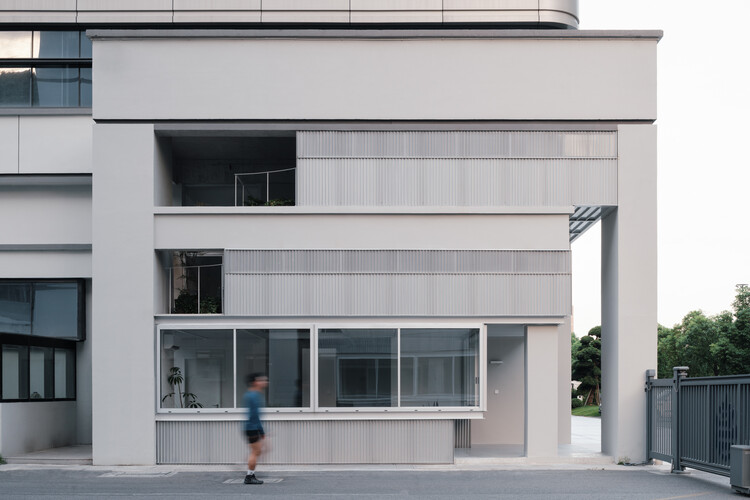
    Shoe Factory Gatehouses / Xie Jie Architects

    A new shoe factory complex in Wenzhou is about to open, but two gatehouses at its south entrance remain unfinished. Through the existing frames, one sees the West Yandang Mountains and a silver metal warehouse at their foot, diagonally across the entrance. The client wished to retain the frames to maintain continuity with the complex, while giving the entrance a distinct character of its own.

  • Global · ArchDaily ·

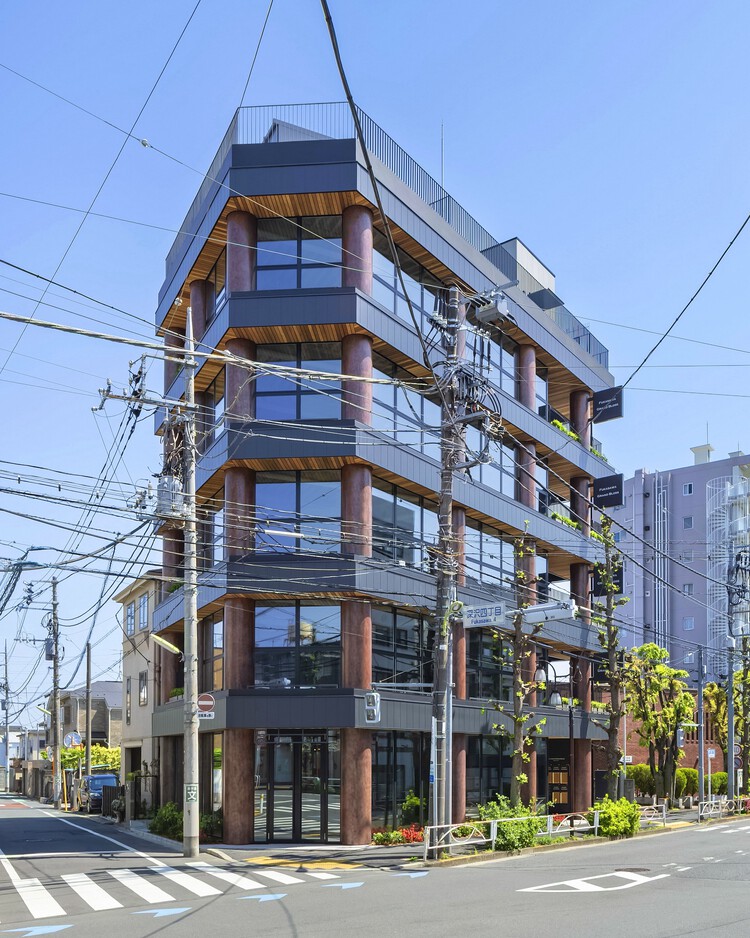
    Fukasawa Commercial Building / KEY OPERATION INC. / ARCHITECTS

    This commercial building stands on a corner at an intersection along Komazawa Park Avenue. With cars, bicycles, and pedestrians passing by, the design considers how a building can respond to a major road through a neighbourhood of educational and medical institutions. Its materials and composition seek to balance sensitivity to the surroundings with a distinct presence.

Talk through your AI plans with our team

Book a strategy call. We'll look at where AI can save your team time, what it will take, and what to leave alone.