Skip to content

AEC news · Global · Global Construction Review

Milestone reached as CIOB qualifications recognised across China

Excerpt from Global Construction Review

The Chartered Institute of Building (CIOB) is strengthening its presence in China following formal recognition as a Non-Governmental Organisation (NGO), alongside growing recognition of its professional qualifications. CIOB’s NGO status, sponsored by the Shanghai Association of Science and Technology, enables the institute to expand its work supporting construction professionals in China and provide greater access to internationally recognised professional standards and qualifications. The development builds on the growing recognition of CIOB’s professional qualifications by Chinese governmental authorities. On 11 September 2026, the Beijing Municipal Human Resources and Social Security Bureau published the Beijing International Professional Qualifications Recognition Catalogue (2026 Edition) . FCIOB, MCIOB and TechCIOB qualifications are listed as Items 40-42 under the catalogue’s “Construction and Engineering Services” category. Growing profile on mainland China The 2026 edition is the first Beijing catalogue to include all three CIOB qualifications.

Published by Global Construction Review ·

Read the full article on Global Construction Review (opens in a new tab)
Image: Global Construction Review

Image: Global Construction Review, shown from the publisher’s website.

Is your project on track?

CloudBrain Project Audit carries out independent audits of design, quality, documentation and billing on construction projects worldwide, before, during and after construction.

CloudBrain Project AuditIndependent technical and commercial audits of construction projects.

Countries and topics

The headline and excerpt are from Global Construction Review, which owns them; CloudBrain is not affiliated with Global Construction Review. Read the original article (opens in a new tab) · All AEC news
  • Global · Dezeen ·

    "Sacred" archaeological finds become raw materials for design in Ex Situ exhibition

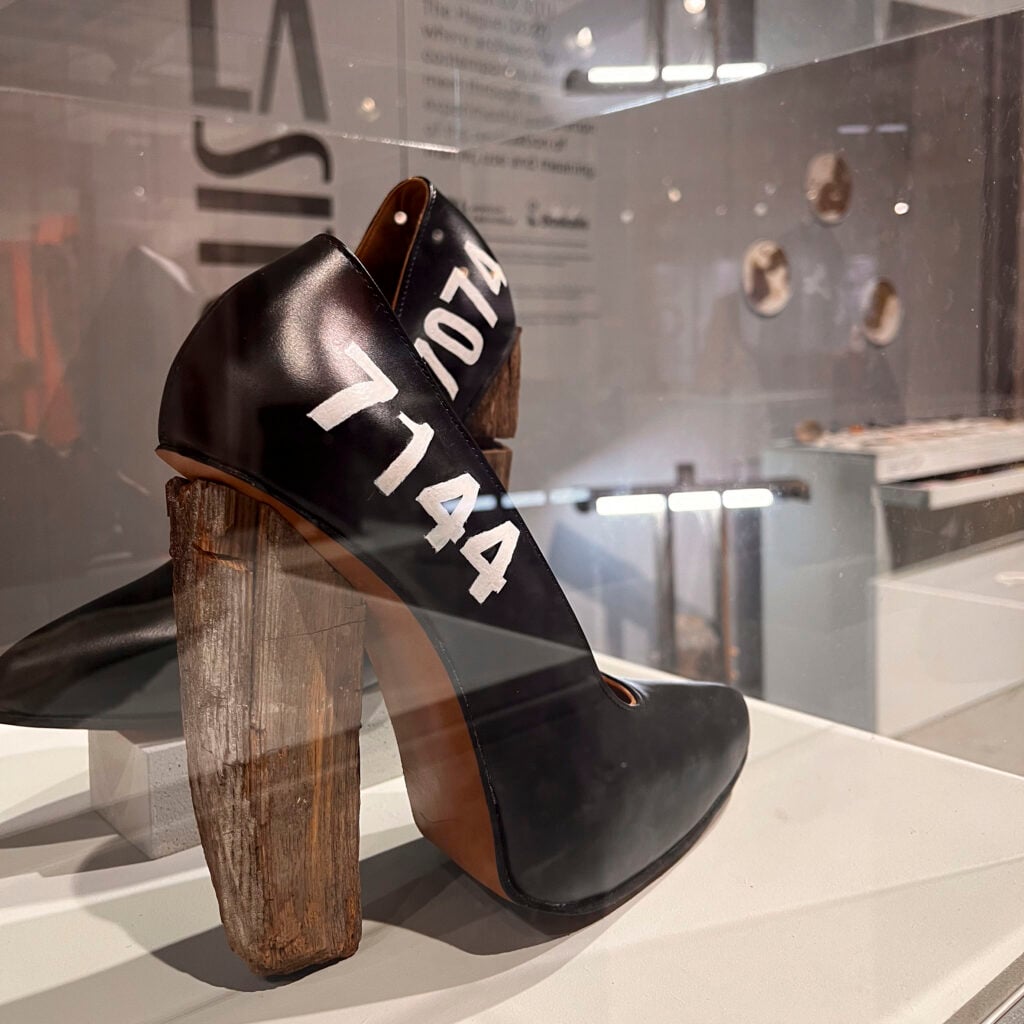
    New objects made from mammoth bone, leather from the middle ages and stumps from a road built under Roman Emperor Hadrian feature in the Ex Situ project, set to be exhibited soon in The Hague . Initiated and curated by Dutch designer Marisa Klaster , working in concert with archaeologist René Isarin, the project makes use of materials that many in Isarin's profession and the broader public might consider off-limits for new designs: the finds from archaeological digs. However, while these finds, such as 40,000-year-old mammoth bone and 14th-century ship wood, sound like they belong in a museum, they are in fact deselected – not chosen for inclusion in any archives. Deselected finds are duplicates, common in type, poorly preserved or otherwise judged to have limited future research value.

  • Global · Dezeen ·

    Mondaine turns solar technology into design feature with Doppio Solar Skeleton timepiece

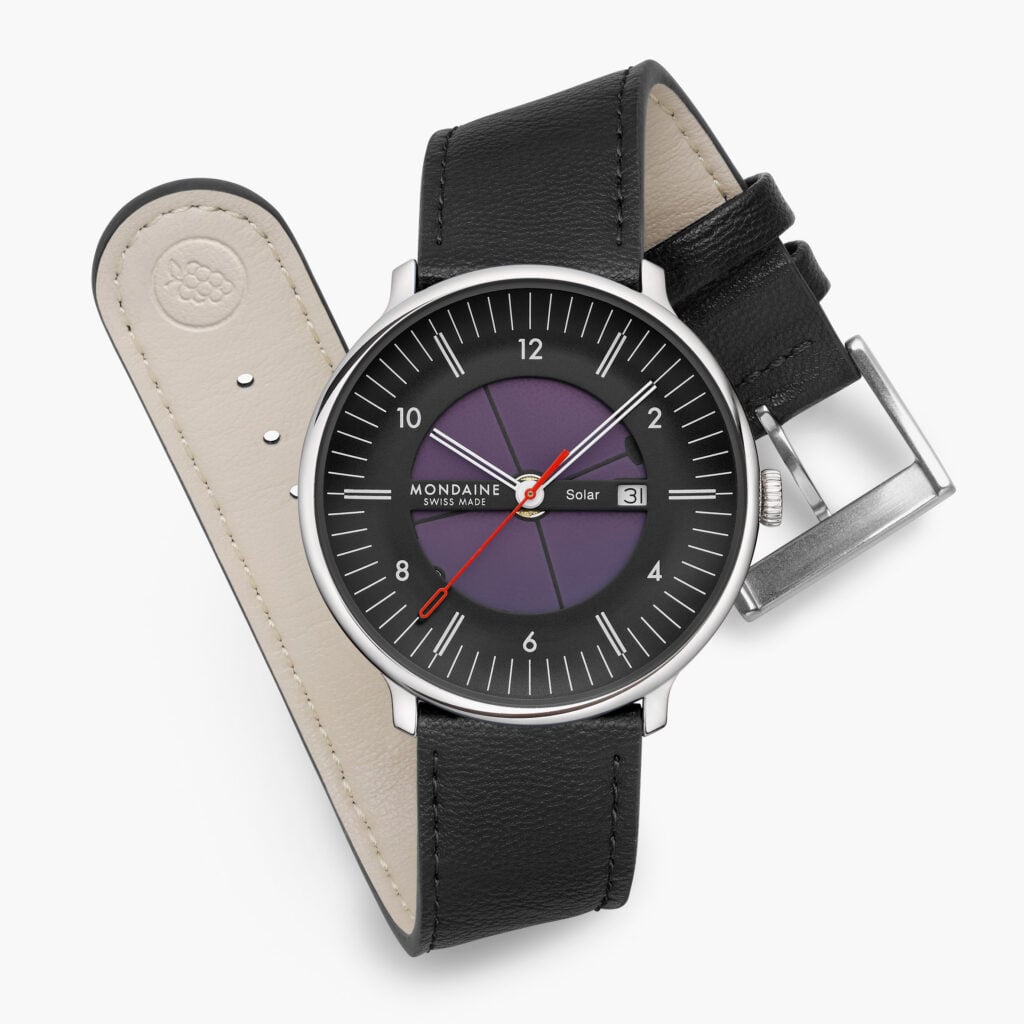
    Swiss watchmaker Mondaine has expanded its Doppio collection with the Solar Skeleton, a timepiece that brings solar technology into the foreground of its design. Rather than concealing the solar plates beneath the dial, the watch reveals them through a precisely cut circular opening, turning a functional component into a defining visual feature. The design builds on the distinctive visual language of Mondaine 's Doppio collection, which is characterised by double-line hands and indexes, a concave dial and a double-domed sapphire crystal. Mondaine explained that these elements establish a sense of repetition, rhythm and structural clarity, while the exposed solar plates introduce an additional layer of depth and visual interest. While solar technology is typically hidden from view, Mondaine has taken a different approach with the Doppio Solar Skeleton.

  • Global · ArchDaily ·

    Why Material Lifespan Matters More Than Ever

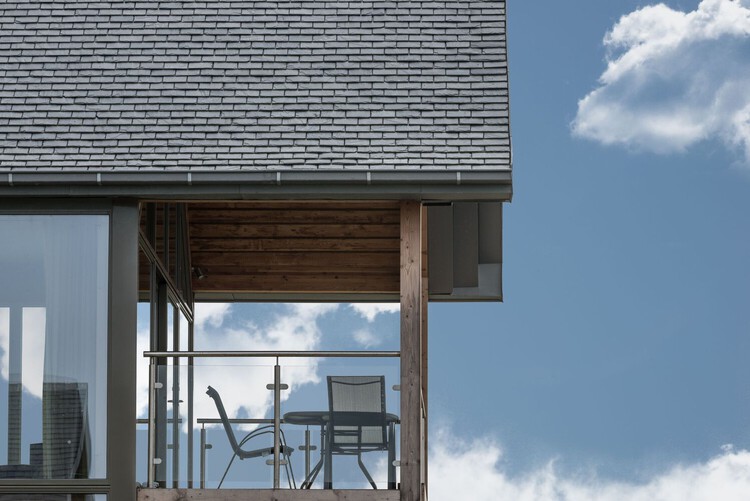
    A material's environmental footprint cannot be fully understood without considering its lifespan. A product with relatively low embodied carbon may require frequent replacement, additional installation resources, and repeated disposal over the life of a building. Conversely, a material with a higher initial impact may offer greater long-term value through its durability, reducing the need for future interventions. From this perspective, longevity goes beyond being a technical characteristic; it becomes an essential component of responsible architectural design.

Talk through your AI plans with our team

Book a strategy call. We'll look at where AI can save your team time, what it will take, and what to leave alone.