Skip to content

AI+AEC in News · Archive

AI+AEC news, October 2026

7 stories about AI in architecture, engineering and construction, newest first.

  • AEC Magazine ·

    Snaptrude Agent launches for BIM workflows

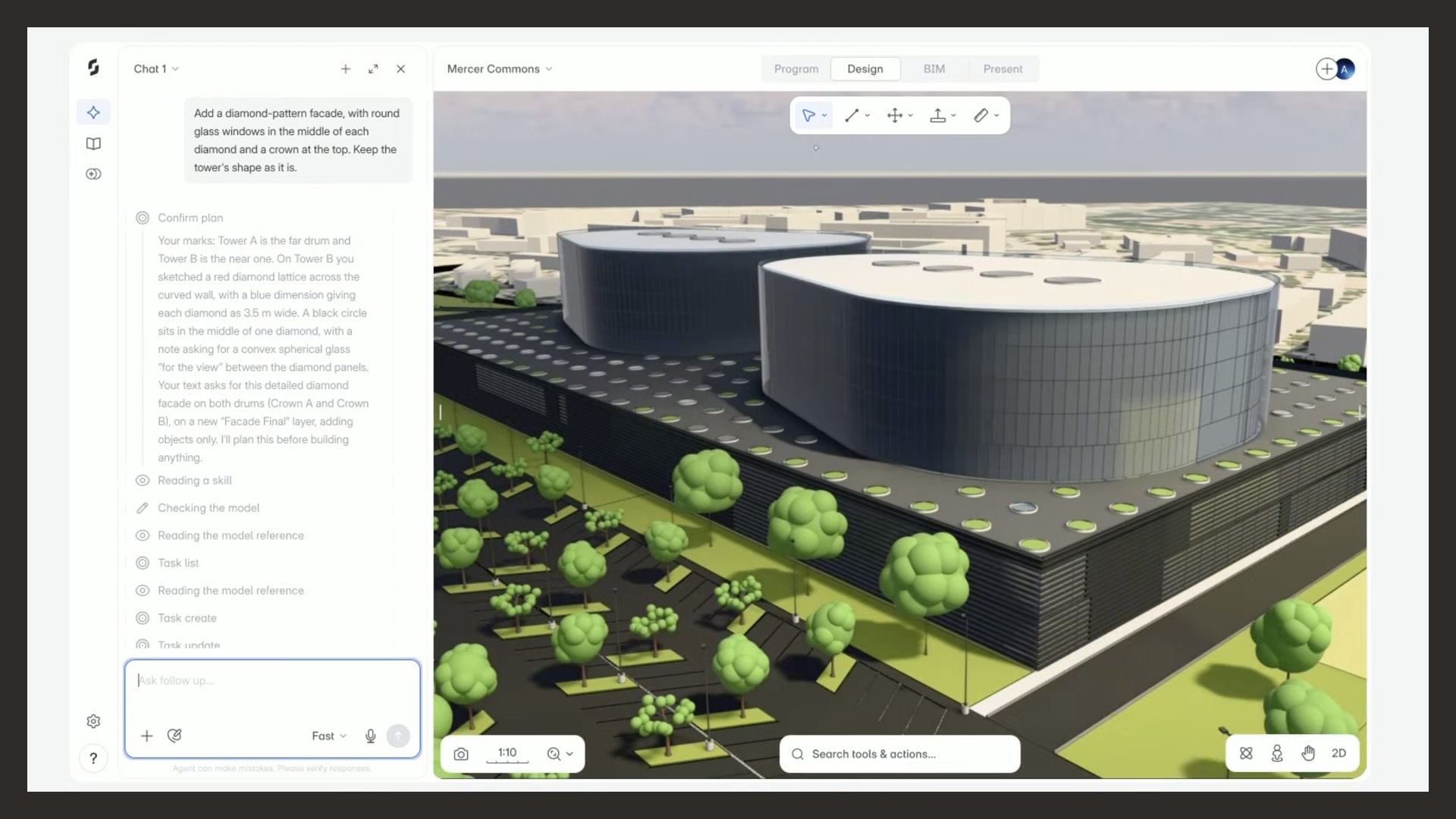
    AI agent supports workflows from early concept design to detailed BIM modelling, structural systems, MEP and construction documentation. Snaptrude has introduced Snaptrude Agent, an AI agent for its BIM platform designed to support teams from early concept studies to construction-ready LoD 400 models incorporating structure, mechanical, electrical and plumbing (MEP), and drawings. Users are said to retain control of the process: they give the Agent a prompt or problem, review its proposed plan, then approve it or provide further direction. Discover what’s new in technology for architecture, engineering and construction — read the latest edition of AEC Magazine Subscribe FREE here According to Snaptrude, the Agent can automate tasks across the design process, including concept modelling, detailed BIM modelling and construction documentation. It can generate multiple massing options from a site analysis, ranging from a handful of alternatives to hundreds.

  • Construction Dive ·

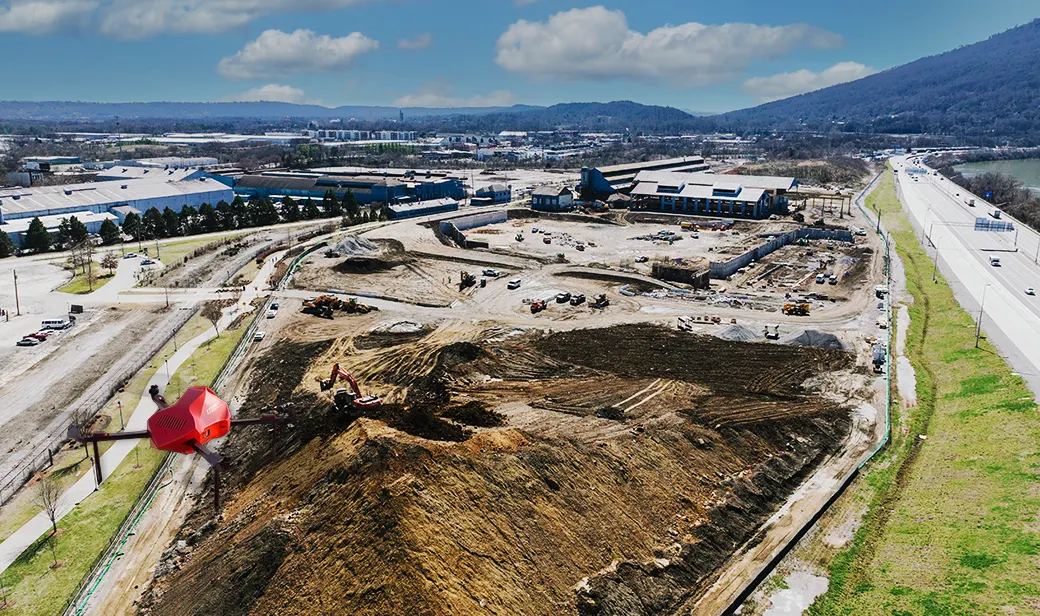
    Eyes in the sky, savings on the ground: AI drones take on construction’s data problem

    The U.S. construction industry was valued at $2.2 trillion in 2025. Yet poor data cost the global industry an estimated $1.8 trillion every year . Rework, delays, and miscalculations leave contractors already working with thin margins and tight schedules overextended and clients frustrated. For anyone running a jobsite, the gap between what’s on the plans and what’s actually being built is a constant headache. But how do you keep an eye on everything, all the time, when you're already too busy making sure the job gets done? The answer is: you can't. But drones can. With Drone as a Service, AI-autonomous drones are the missing piece. The drones are equipped with 4K cameras, LiDAR, multispectral and thermal sensors, and ground-penetrating radar (GPR) scanners, giving contractors accurate site data when and where they need it, without sending crews into harm's way.

  • Construction Dive ·

    Newforma acquires Lumi AI, will incorporate into its tech

    Newforma, a construction information management technology provider, has acquired Lumi AI , an artificial intelligence startup, according to a Wednesday announcement. The terms of the transaction were not disclosed. With the move, Newforma will connect Toronto-based Lumi’s agentic AI into Vojo, Newforma’s AI assistant that lives on the company’s agentic framework, according to the announcement. Newforma will integrate the agent into its platforms that hold more than two decades of project data, which include RFIs, submittals and communication history. Lumi’s AI helps businesses use plain language queries to investigate and uncover patterns in their data. Going forward, planned capabilities for Vojo include natural language search and cross-project queries across project data, per the announcement. Newforma CEO Peter Cannone told Construction Dive via email that Lumi will not be accessible to non-Newforma customers.

  • Construction Dive ·

    AI reshapes construction teams more often than it cuts jobs: report

    Artificial intelligence is changing construction teams more often than shrinking them, according to a report from BRG. Among North American respondents, 46% changed team structures and 38% retrained employees, while 18% added headcount in certain areas and 11% reduced it because of AI, per the report. Over two-thirds of North American respondents invested at least $250,000 in AI over the previous two years, including 37% that spent $1 million or more, the survey found. Despite the widespread adoption and spend, 15% said they’d fully integrated the technology across projects and operations. Dive Insight: BRG surveyed 109 executives involved in AI implementation in July 2026, including 58 builders and 51 owners. Most findings reflect 65 North American respondents. Surveyed builders were mainly small- to mid-sized general contractors and construction managers; owners were primarily larger developers and real estate investment trusts.

  • Construction Dive ·

    Construction must preserve trades knowledge to know when AI is wrong

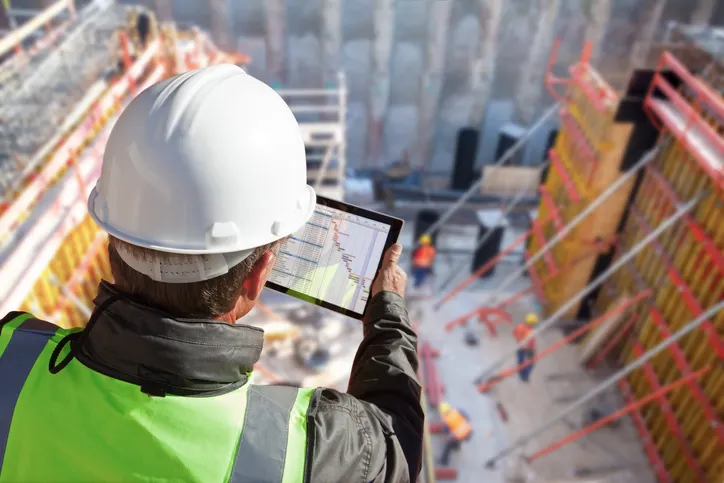
    Lance Mazzariello is a union carpenter and vice president of Specialty Services of New England. Opinions are the author’s own. There is a moment familiar to anyone who has spent time on a construction site. A younger tradesperson studies a drawing on a tablet. The dimensions are correct, the detail is clear, everything appears to work. An experienced journeyman looks at the same drawing, looks at the wall, and says, “That’s not going to work.” Most of the time, he’s right. How did he know? That question has been on my mind as construction races toward a technological future. I lead operations in union commercial construction in greater Boston, and, like most of our industry, we’re adopting technologies meant to solve problems that have plagued us for decades: inefficient planning, poor communication, labor shortages, rework, scheduling and stagnant productivity. Artificial intelligence is entering estimating and project management.

  • Construction Dive ·

    6 contech firms raise $154M in recent funding

    Last week, 3D-printing firm Icon raised $200 million in a Series D funding round. That eye-catching number represents investors’ faith in new ways of building and the desire to pump cash into the construction technology space. At the same time, contractors continue to turn to artificial intelligence. Myriad offerings continue to hit the market as firms hope to help general contractors manage processes that are typically time-consuming, fragmented or both. Here are six construction-focused tech firms that recently raised investor cash. Miter $40 million San Francisco-based Miter, which helps builders manage their workforce, has raised $40 million in a Series B funding round, according to a Sept. 30 announcement. Battery Ventures led the round, while existing investors Bessemer Venture Partners and Coatue also participated. Miter’s technology helps builders coordinate workforce management, field operations and project expenses, according to the announcement.

  • AEC Magazine ·

    GPT-6 Astra and the future of BIM modelling

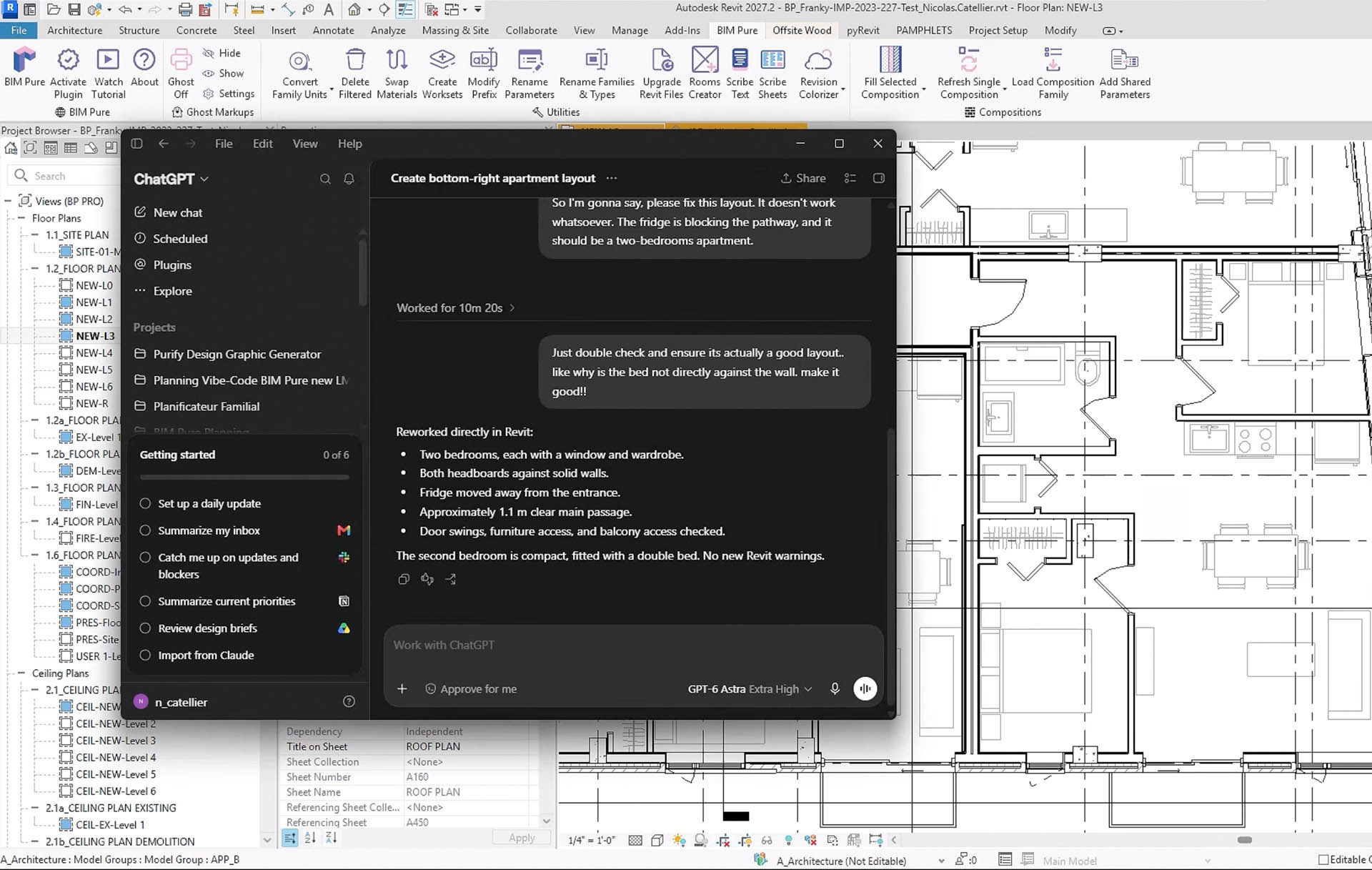
    AI has made a significant leap forward in working with 3D geometry. Open AI’s latest model, GPT-6 Astra, can turn drawings, photographs and instructions into 3D models. For AEC, the bigger question is how this capability will fit into a design process in which almost everything is subject to change, writes Martyn Day There is something disconcerting about watching software attempt work that has occupied professionals for decades. Give Open AI’s new GPT-6 Astra model references of building, connect it to 3D modelling software and leave it to work, and geometry appears, sometimes looking more resolved than it is. Models once built object by object can now be attempted through conversation or uploaded drawings. Experiments by architects with ChatGPT Astra deserve attention. A general-purpose AI can interpret references, plan modelling operations, write code, inspect the result and make corrections.

Talk through your AI plans with an architect

Book a strategy call. We'll look at where AI can save your team time, what it will take, and what to leave alone.