Skip to content

AI+AEC in News · AEC Magazine

Buro Happold and Motif bridge the BIM collaboration divide

Excerpt from AEC Magazine

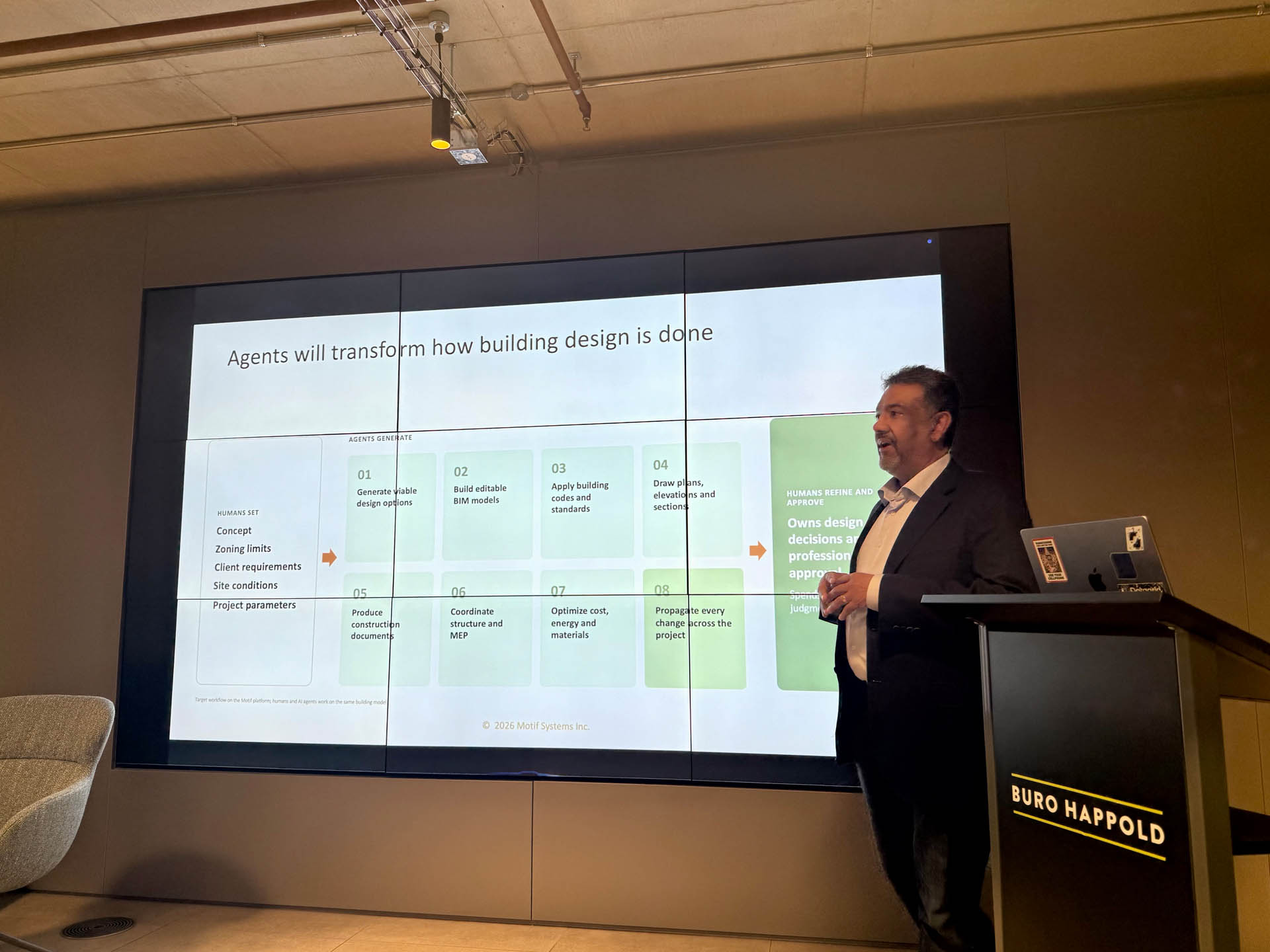
Buro Happold ‘s open-source BHoM engineering framework is being integrated natively into Motif ’s BIM 2.0 platform, connecting AI-driven design with deterministic engineering computation. At a London event last week, the two companies demonstrated how their combined technologies could change the way architects and engineers work together. Martyn Day reports. If an architect draws a beam in a BIM application, it’s a beam. For an engineer, the process is somewhat more complicated. It needs to be analysed, sized, checked and verified before anyone can confidently call it a beam. As Wolf Mangelsdorf, a partner at engineering consultancy Buro Happold , explains: “When the beam doesn’t fail any more, then it’s a beam.” This distinction goes to the heart of a longstanding problem in BIM. Architectural modelling and engineering analysis may describe the same building, but they generally operate in different applications, with different representations, assumptions and computational processes.

Published by AEC Magazine ·

Read the full article on AEC Magazine (opens in a new tab)
Image: AEC Magazine

Image: AEC Magazine, shown from the publisher’s website.

Key terms in this story

BIM (building information modeling)
Building information modeling (BIM) is a way of designing and managing buildings using intelligent 3D models whose elements carry information such as type, size, material and quantity.

How can your firm use this?

CloudBrain helps architecture, engineering and construction firms in India turn developments like this into working tools. Related service:

BIM & data integrationIFC/DXF pipelines, data platforms and project dashboards.

Topics

The headline and excerpt are from AEC Magazine, which owns them; CloudBrain is not affiliated with AEC Magazine. Read the original article (opens in a new tab) · All AI+AEC news
  • AEC Magazine ·

    Pliera: a new BIM 2.0

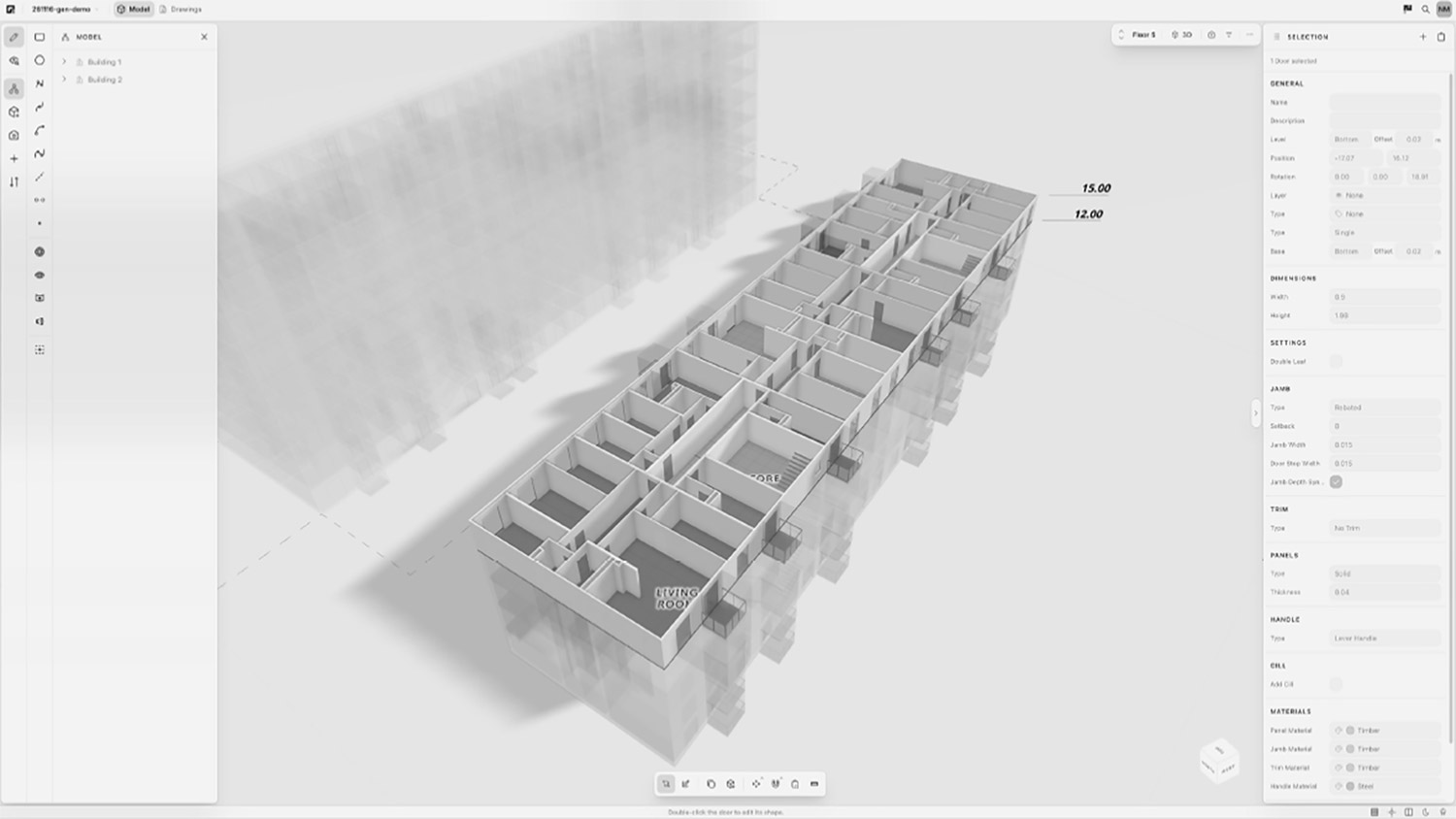
    Pliera is a new cloud-based BIM platform developed by the co-founder of real-time viz tool Enscape, Moritz Luck. It combines architectural modelling, AI-generated parametric objects and rule-based building configurators with ambitious plans to challenge Revit. AEC Magazine takes an early look. Moritz Luck has already helped change the way architects use design software. As one of the founders of Enscape, he helped bring real-time rendering into mainstream architectural workflows, turning what had once been a specialist visualisation process into an everyday design tool. Now he has a considerably bigger target: Autodesk Revit. For the past couple of years, Luck has been developing an alternative BIM platform through NeoBIM, the Karlsruhe-based startup he helped establish in 2024, initially with Jonathan Ingram (Sonata, godfather of BIM). With a slow start and some changes in personnel, there is now a new and numerous development team, which has expanded as the technology has matured.

  • AEC Magazine ·

    Rayon V4: a different bet on the future of CAD

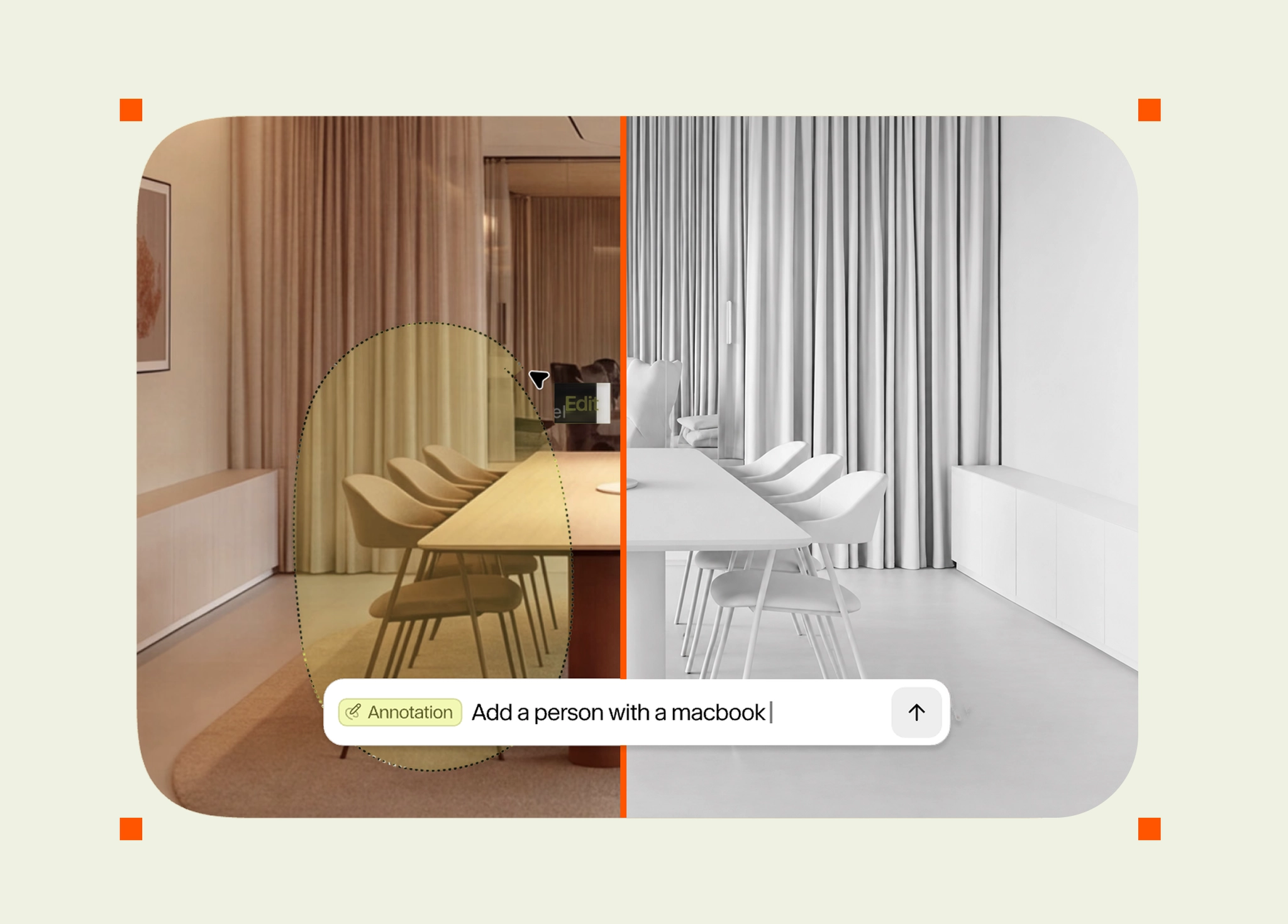
    Rayon V4 adds 3D modelling, an AI agent, generative rendering and mobile access to its browser-based design software. AEC Magazine saw the new release ahead of launch and put its AI tools to an unplanned test Much of the BIM 2.0 market is trying to take a piece of Revit, but Rayon has other plans. ‘We’re going after the gap between AutoCAD and SketchUp,’ says co-founder Stanislas Chaillou. Released today, V4 brings 3D modelling and agentic AI into Rayon’s established 2D CAD environment. Both capabilities launch in beta, adding a new dimension to a product that remains firmly focused on interiors. Prior to the launch, we met Chaillou for a demonstration. The 3D modelling was better than expected, but it was an unscripted request during the AI demonstration that raised the more interesting questions about where CAD might be heading.

  • AEC Magazine ·

    Rhino World 2026: McNeel lets AI in

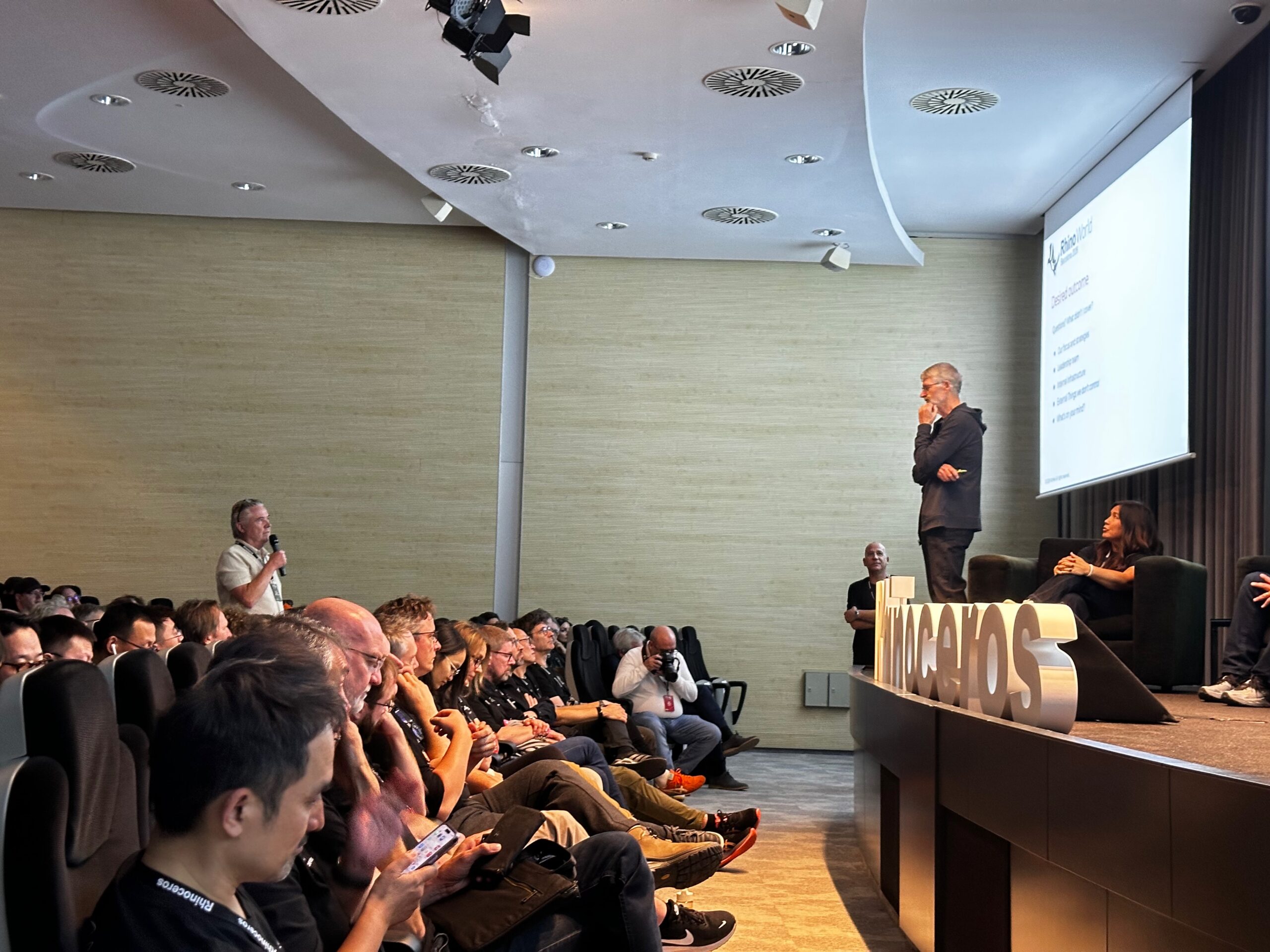
    As McNeel quietly rolls out Rhino 9, Campbell Yule reports on how the company is embracing AI, accelerating development and reshaping its software while retaining its distinctive business model. On the final afternoon of Rhino World 2026, in a session that had not been on the agenda and was added to fill a gap, someone in the audience asked the question that had hung over three days of talks about Rhino 9. When will it ship? “When do you want it?” asked Bob McNeel, the company’s founder and CEO. “Yesterday,” came a shout from the floor, followed by: “Next week. But not Monday.” “So Tuesday? Or how about Wednesday? I’ll see what we can do.” Five days later, on Wednesday 28 October, Rhino 9 was released. True to form, it happened quietly.

Talk through your AI plans with our team

Book a strategy call. We'll look at where AI can save your team time, what it will take, and what to leave alone.