Skip to content

AI+AEC in News

BIM and design software: AI news

News on AI inside the tools architects and engineers model and document with: BIM authoring, CAD, IFC exchange and the software vendors adding AI to them.

8 stories

  • AEC Magazine ·

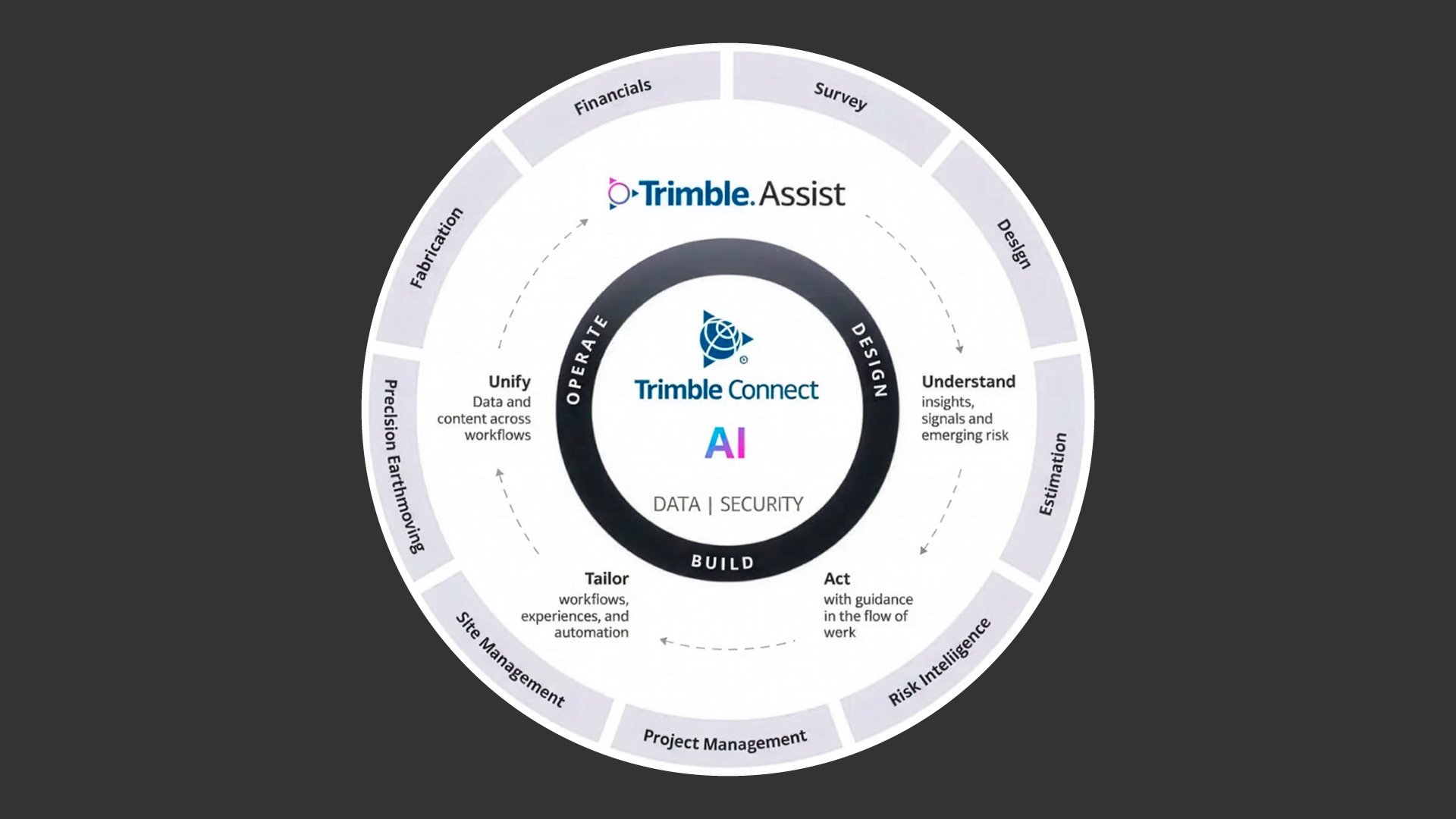
    Trimble embeds AI across AECO

    Trimble Connect platform introduces AI agents and automation to improve project coordination, manage risk and streamline workflows Trimble has embedded AI within Trimble Connect , expanding the platform beyond its traditional role as a common data environment (CDE) to connect site information with design, cost and operational workflows. The new capabilities are intended to help teams identify and mitigate risks across the project lifecycle, while keeping human judgement at the centre of decision-making. Unveiled at Trimble’s Dimensions User Conference, the AI capabilities span design, construction and project operations. In design, they include generating architectural options using live as-built point-cloud data, converting natural-language prompts into constructible structural models, and automatically classifying scanned point clouds into structural elements. For construction teams, applications include AI-powered diagnostics for machine-control systems, converting 360-degree site walk videos into 3D point clouds, and voice-driven site inspections that automatically transcribe observations and link them to project drawings.


  • Archinect ·

    AI companies are offering architects six figures for CAD files; have you been approached?

    Artificial intelligence companies are turning to architects and other AEC firms in search of data. As tech enterprises seek to build AI models and agents to perform industry-specific tasks, such as reviewing drawings and writing RFI responses, architecture firms are being approached by businesses offering money in return for access to private data. “Architects, have you seen this?” asked USC adjunct professor Simon Ha in a LinkedIn post . “This AI company is offering to pay six figures for your CAD files, including revisions and markups, to train AI models on how design work gets done.” Ha’s post included a screenshot of a social media post by a company, Nyne.ai, describing itself as “the data factory for AI,” which said, “You’ve got 3 years of CAD files doing nothing. We’ll pay you six figures for them.” “This raises serious questions about copyright and ownership of instruments of service,” Ha added.

  • AEC Magazine ·

    Chaos brings AI design exploration into Enscape

    Enscape 4.22 integrates Veras 2.0 more closely into the visualisation workflow, alongside new AI tools for design exploration and asset creation. Chaos has enhanced the integration between its Enscape real-time visualisation software and AI visualisation tool Veras 2.0, bringing AI-powered design exploration directly into the Enscape interface. The update aims to help architects incorporate AI more easily into their existing workflows, generate design variations and experiment with different materials and moods. Launching today as part of Enscape 4.22, the integration removes the need to bring up a separate Veras window, allowing architects to access AI rendering tools directly within Enscape. New AI video models also offer additional ways to visualise and communicate design ideas.

  • AEC Magazine ·

    Qonic AI launches inside BIM platform

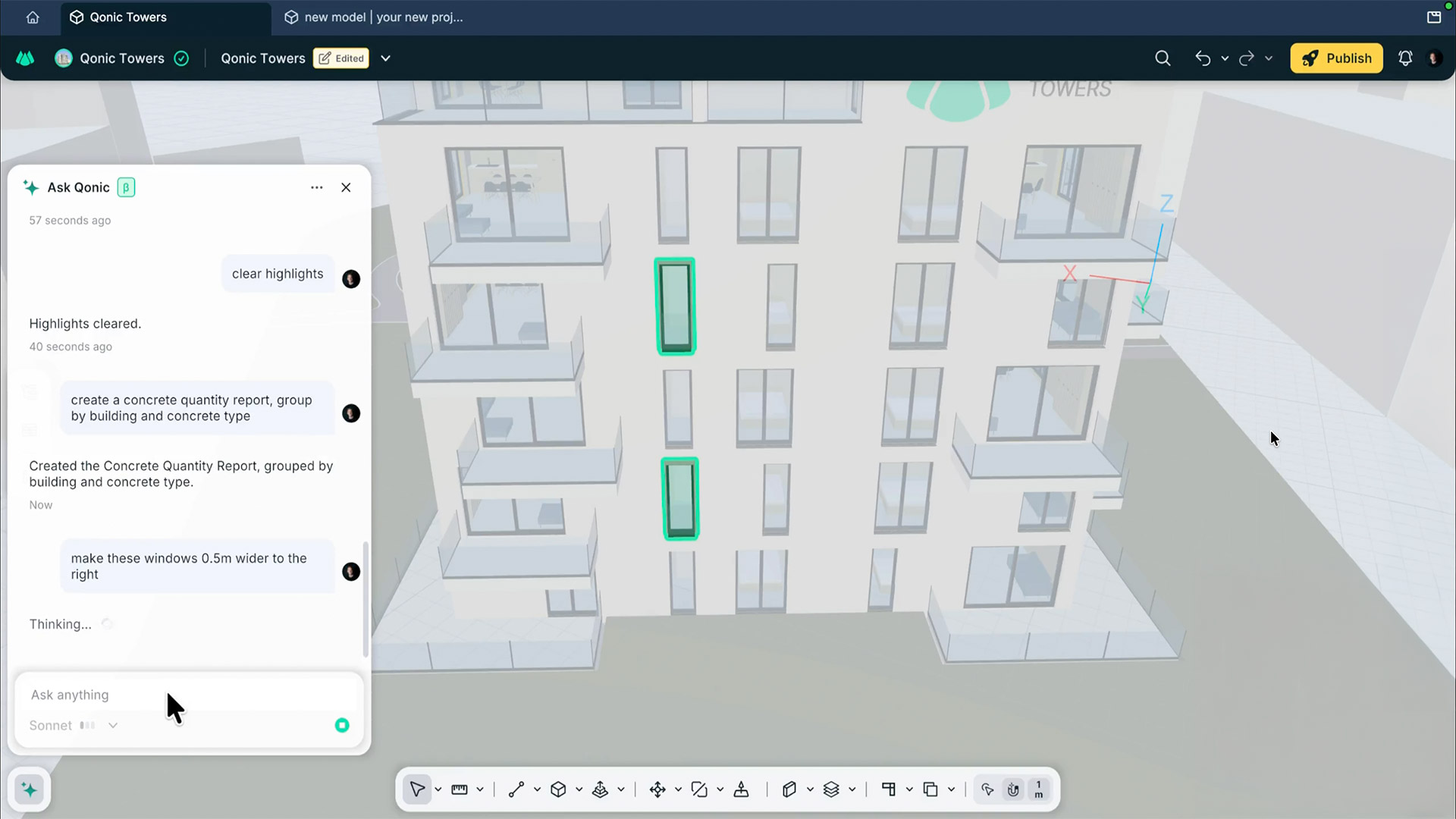
    AI agents work directly inside the model, letting users find, check, fix and create BIM data using plain language Qonic has introduced Qonic AI, a collection of agents built into its cloud-based, collaborative BIM modelling platform. Qonic AI works directly inside the BIM model, rather than sitting alongside it. Qonic has also launched an MCP server, which lets users connect their own AI assistant to the platform. Inside Qonic, through the “Ask Qonic” chatbot, users describe what they want in plain language, and Qonic’s agents find, check and update elements using the platform’s own tools. Tasks include completing missing properties, building reports and editing geometry. “Anything you can do in Qonic in terms of geometry and data creation, editing, and manipulation can be done through prompting,” said Qonic’s Jacob De Sutter.

  • AEC Magazine ·

    Mach9 adds aerial LiDAR and photogrammetry support

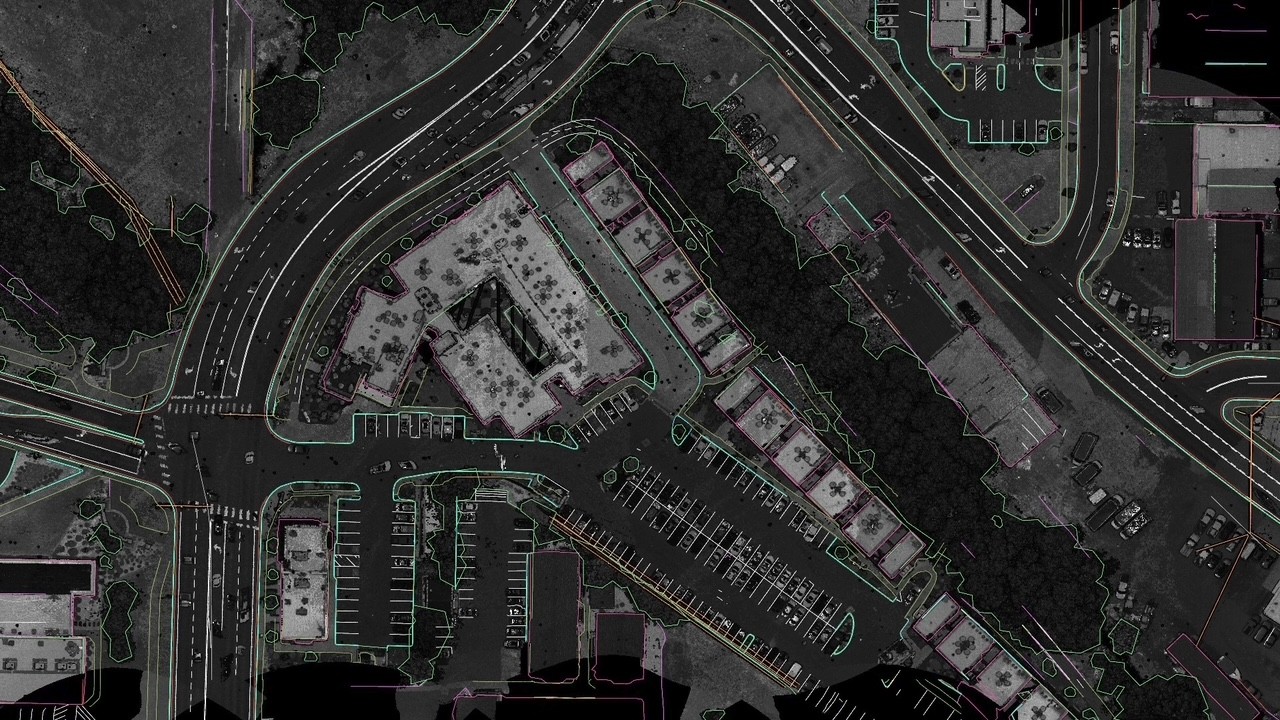
    AI CAD software combines feature extraction, point cloud editing and surface modelling for aerial survey workflows Mach9 has extended its web-based AI CAD software for civil engineering enabling it to process aerial LiDAR and photogrammetry -derived datasets from drones, helicopters and aircraft. Previously focused on ground-based scanning, the software can now extract features from aerial point clouds, classify points and build surfaces for civil engineering and GIS applications. Mach9 says its AI can produce an initial draft in hours, which survey teams then check and edit before delivery. The development addresses a familiar problem in reality capture: collecting data is often considerably faster than producing useful engineering drawings from it. Users upload point clouds and orthomosaic imagery, then work through extraction, editing and surface creation within the same application.

  • AEC Magazine ·

    Autom8Labs launches AEC skills for AI agents

    Guides AI agent through tasks in Revit, AutoCAD, 3ds Max and more, with “clear steps” for doing the work and checking the result Autom8Labs has released 22 free MCP Skills, which work alongside the company’s relevant MCP Connectors for Revit, AutoCAD, Navisworks, Grasshopper, MicroStation, 3ds Max, Rhino, Civil 3D and Advance Steel. Rather than simply telling an AI agent what to do, each MCP skill guides it through the steps an experienced professional would follow. “Giving an AI agent access to a design application doesn’t automatically mean it knows the best way to work in it,” said James Gray, Autom8Labs. “The MCP Connectors give your AI agent the tools. Skills give it the method.”

  • AEC Magazine ·

    Snaptrude Agent launches for BIM workflows

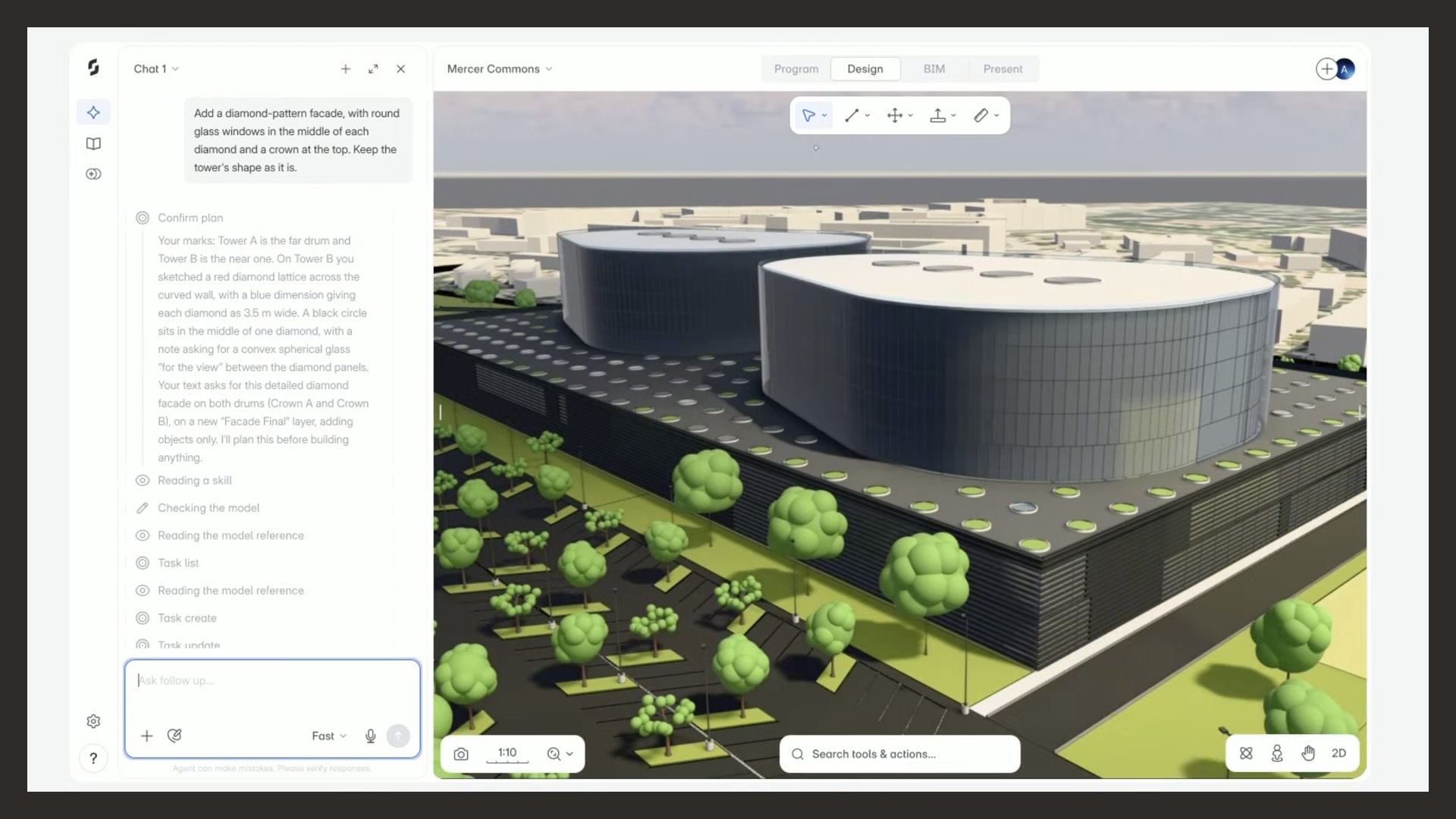
    AI agent supports workflows from early concept design to detailed BIM modelling, structural systems, MEP and construction documentation. Snaptrude has introduced Snaptrude Agent, an AI agent for its BIM platform designed to support teams from early concept studies to construction-ready LoD 400 models incorporating structure, mechanical, electrical and plumbing (MEP), and drawings. Users are said to retain control of the process: they give the Agent a prompt or problem, review its proposed plan, then approve it or provide further direction. Discover what’s new in technology for architecture, engineering and construction — read the latest edition of AEC Magazine Subscribe FREE here According to Snaptrude, the Agent can automate tasks across the design process, including concept modelling, detailed BIM modelling and construction documentation. It can generate multiple massing options from a site analysis, ranging from a handful of alternatives to hundreds.

  • AEC Magazine ·

    GPT-6 Astra and the future of BIM modelling

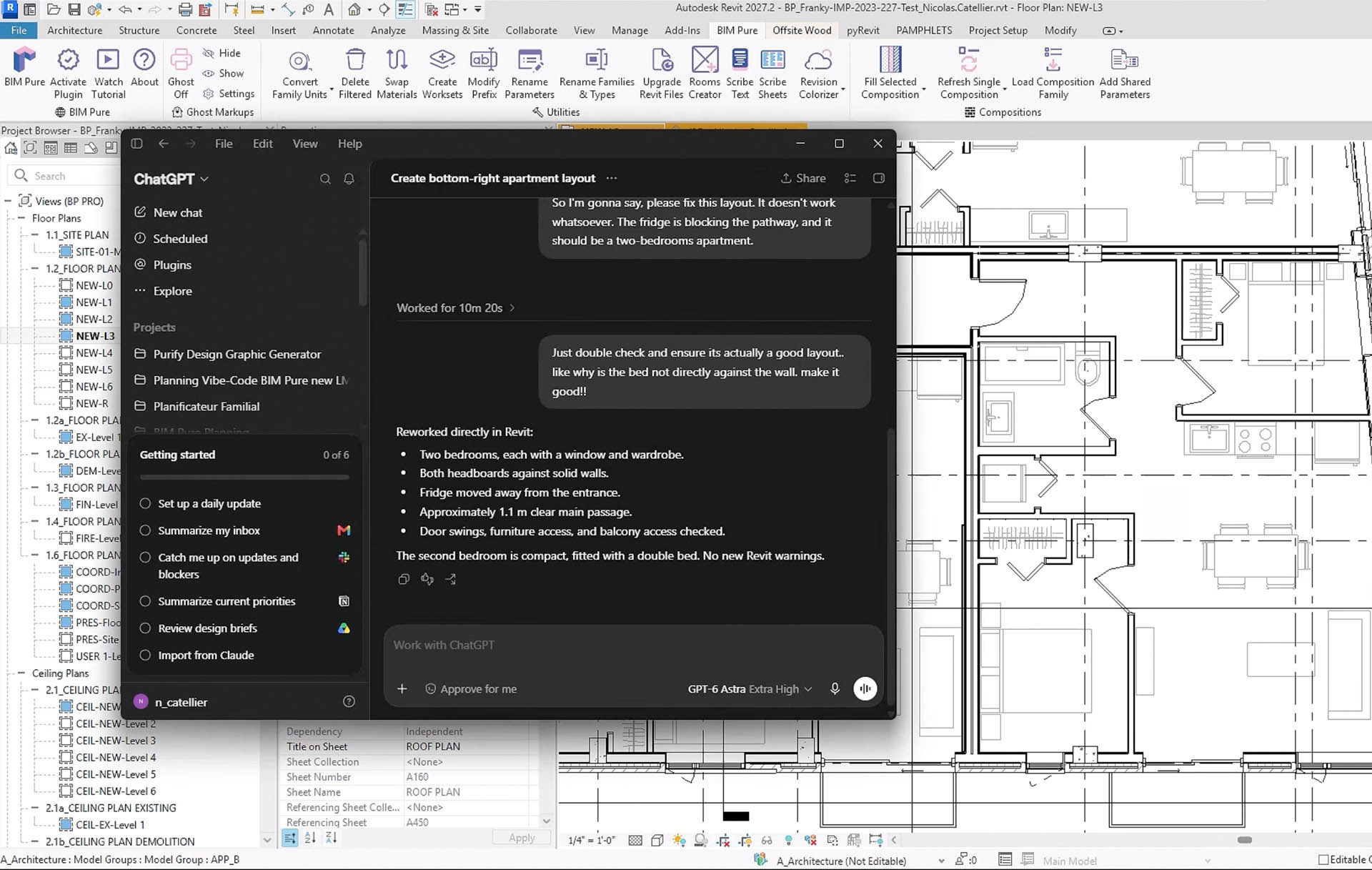
    AI has made a significant leap forward in working with 3D geometry. Open AI’s latest model, GPT-6 Astra, can turn drawings, photographs and instructions into 3D models. For AEC, the bigger question is how this capability will fit into a design process in which almost everything is subject to change, writes Martyn Day There is something disconcerting about watching software attempt work that has occupied professionals for decades. Give Open AI’s new GPT-6 Astra model references of building, connect it to 3D modelling software and leave it to work, and geometry appears, sometimes looking more resolved than it is. Models once built object by object can now be attempted through conversation or uploaded drawings. Experiments by architects with ChatGPT Astra deserve attention. A general-purpose AI can interpret references, plan modelling operations, write code, inspect the result and make corrections.

Want to apply this in your firm? See our BIM & data integration service.

Talk through your AI plans with an architect

Book a strategy call. We'll look at where AI can save your team time, what it will take, and what to leave alone.