Skip to content

AI+AEC in News · AEC Magazine

Nomic extends AI agents into CAD drafting and BIM

Excerpt from AEC Magazine

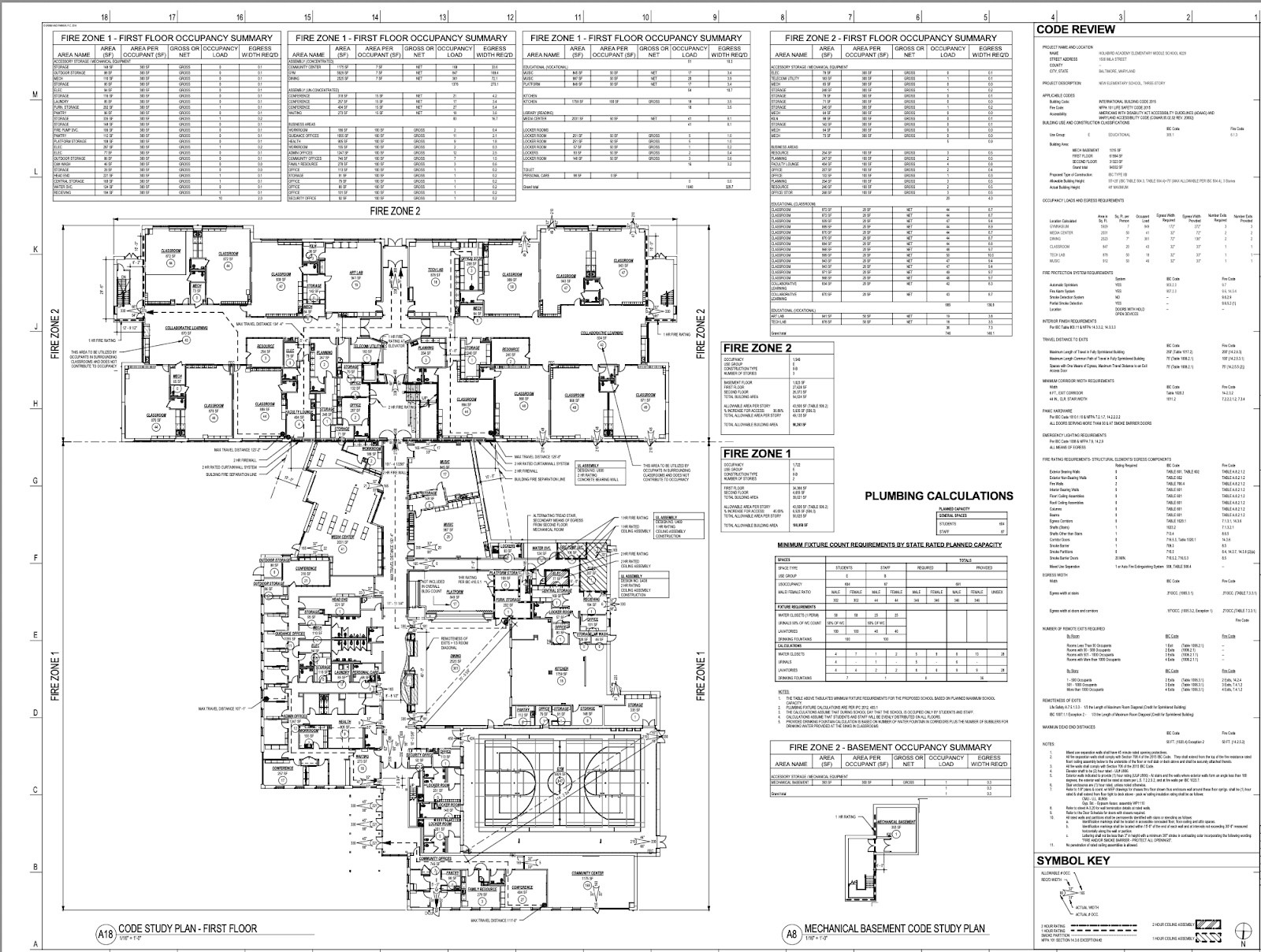
AI-powered drawing review platform can now generate native CAD files, automate drawing revisions and work directly inside Autodesk Revit and AutoCAD Nomic , the developer of AI-powered drawing review software for the AEC industry, has extended its platform to include automated CAD drafting. Users can describe a drawing in natural language or supply an existing drawing for revision, with the AI agent returning an editable CAD file together with a plotted PDF for review. The development marks a significant expansion of Nomic’s capabilities, moving beyond identifying errors and inconsistencies in construction documentation to actively addressing them. The same AI agent that reviews drawings against specifications, building codes and company standards can now implement changes, drawing on its knowledge of project documentation, review comments and previously issued drawings.

Published by AEC Magazine ·

Read the full article on AEC Magazine (opens in a new tab)
Image: AEC Magazine

Image: AEC Magazine, shown from the publisher’s website.

Key terms in this story

AI agent
An AI agent is software that uses an AI model to carry out a multi-step task towards a goal — reading inputs, deciding next steps and using tools — usually with a person approving key actions.
BIM (building information modeling)
Building information modeling (BIM) is a way of designing and managing buildings using intelligent 3D models whose elements carry information such as type, size, material and quantity.

How can your firm use this?

CloudBrain helps architecture, engineering and construction firms in India turn developments like this into working tools. Related service:

BIM & data integrationIFC/DXF pipelines, data platforms and project dashboards.

Topics

#AI#AEC#BIM#DigitalDesign#AIAgents#GenerativeAI#ConTech#DigitalConstruction

The headline and excerpt are from AEC Magazine, which owns them; CloudBrain is not affiliated with AEC Magazine. Read the original article (opens in a new tab) · All AI+AEC news

  • Construction Dive ·

    DPR exec details how tech is changing healthcare builds

    Hamilton Espinosa, a construction veteran of nearly 30 years, has thoughts on how builders and healthcare project owners are adapting to artificial intelligence use. Espinosa is the co-leader of DPR Construction’s healthcare market. Healthcare has historically been an exception to broader slowdowns in the construction market and currently is one of a few segments that have boosted planning numbers outside of data centers. However, headwinds could also ramp up in the future. In a fourth-quarter report on the building segment, DPR pointed to rising costs as a new hurdle for healthcare owners. Espinosa believes that artificial intelligence will fundamentally change how healthcare construction occurs. That sentiment is echoed in a white paper produced by DPR that urges owners to monitor how the tech will change healthcare workflows as they plan for future facilities.

  • Archinect ·

    2x8: RECLAIM honors 11 public-minded student projects across California

    The winners of the 2026 2x8: RECLAIM student competition have been announced. Organized by AIA Los Angeles and the nonprofit Architecture for Communities Los Angeles , the annual initiative pairs a student exhibition with a design challenge and scholarship fund, connecting architecture schools and emerging designers with LA's broader architecture, engineering, and construction community. The series showcases the work of 12 participating programs across California: Santa Monica College , College of the Canyons , NewSchool of Architecture and Design , USC School of Architecture , Pasadena City College , Woodbury University School of Interior Design , Woodbury University School of Architecture , UCLA Architecture and Urban Design , Cal Poly Pomona , East Los Angeles College , SCI-Arc , and Cal Poly San Luis Obispo .

  • AEC Magazine ·

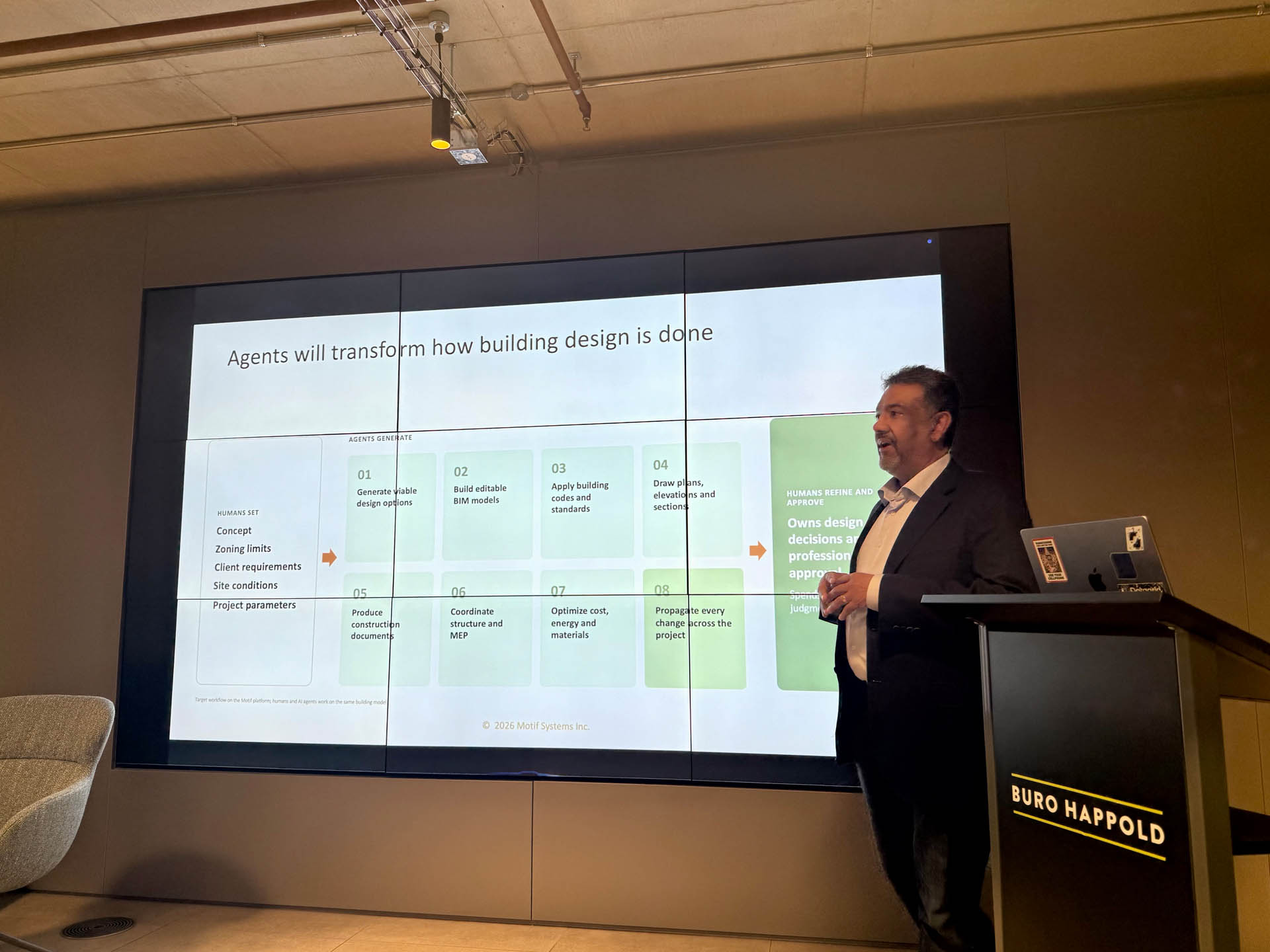
    Buro Happold and Motif bridge the BIM collaboration divide

    Buro Happold ‘s open-source BHoM engineering framework is being integrated natively into Motif ’s BIM 2.0 platform, connecting AI-driven design with deterministic engineering computation. At a London event last week, the two companies demonstrated how their combined technologies could change the way architects and engineers work together. Martyn Day reports. If an architect draws a beam in a BIM application, it’s a beam. For an engineer, the process is somewhat more complicated. It needs to be analysed, sized, checked and verified before anyone can confidently call it a beam. As Wolf Mangelsdorf, a partner at engineering consultancy Buro Happold , explains: “When the beam doesn’t fail any more, then it’s a beam.” This distinction goes to the heart of a longstanding problem in BIM. Architectural modelling and engineering analysis may describe the same building, but they generally operate in different applications, with different representations, assumptions and computational processes.

  • AEC Magazine ·

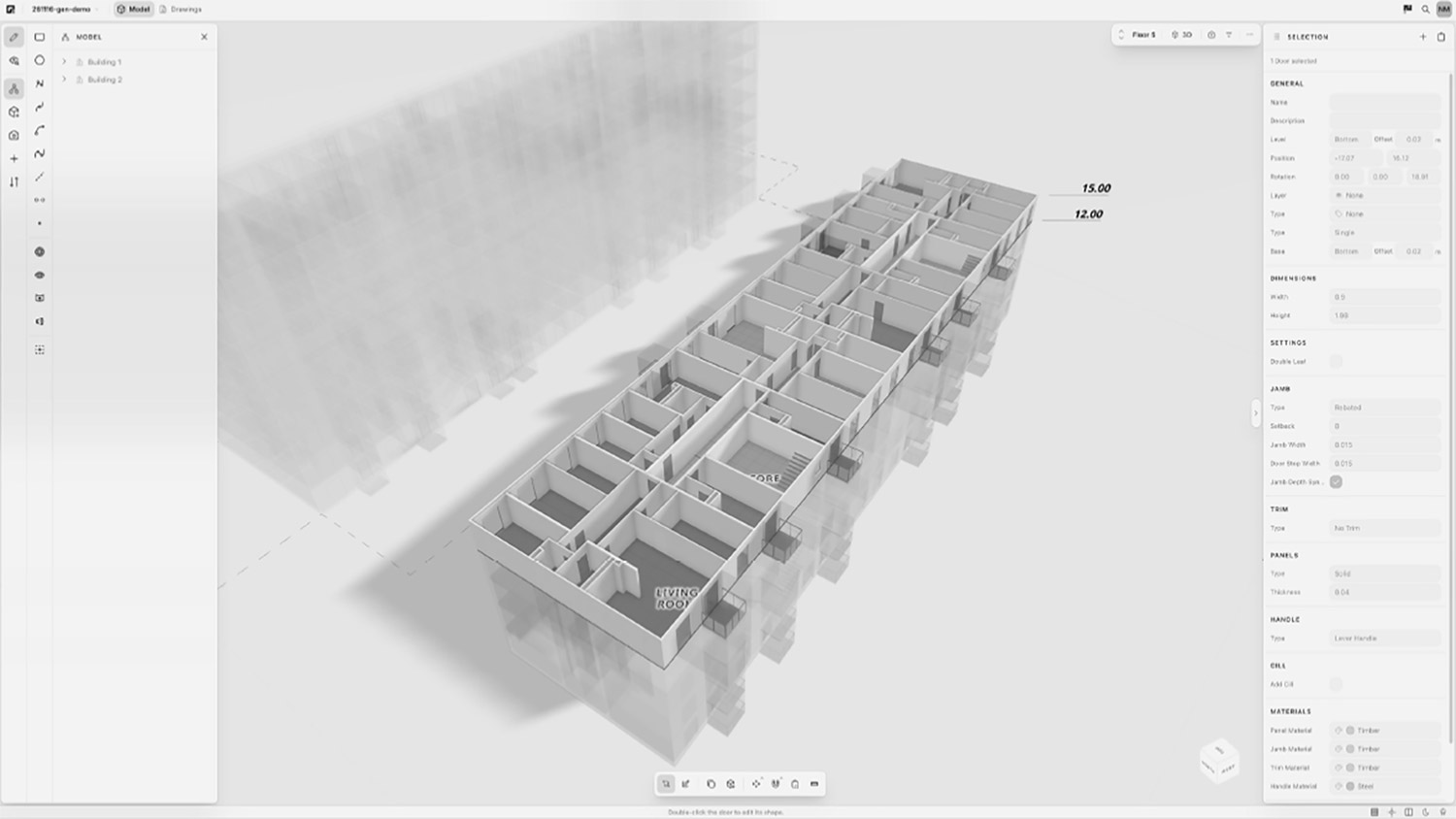
    Pliera: a new BIM 2.0

    Pliera is a new cloud-based BIM platform developed by the co-founder of real-time viz tool Enscape, Moritz Luck. It combines architectural modelling, AI-generated parametric objects and rule-based building configurators with ambitious plans to challenge Revit. AEC Magazine takes an early look. Moritz Luck has already helped change the way architects use design software. As one of the founders of Enscape, he helped bring real-time rendering into mainstream architectural workflows, turning what had once been a specialist visualisation process into an everyday design tool. Now he has a considerably bigger target: Autodesk Revit. For the past couple of years, Luck has been developing an alternative BIM platform through NeoBIM, the Karlsruhe-based startup he helped establish in 2024, initially with Jonathan Ingram (Sonata, godfather of BIM). With a slow start and some changes in personnel, there is now a new and numerous development team, which has expanded as the technology has matured.

  • Construction Dive ·

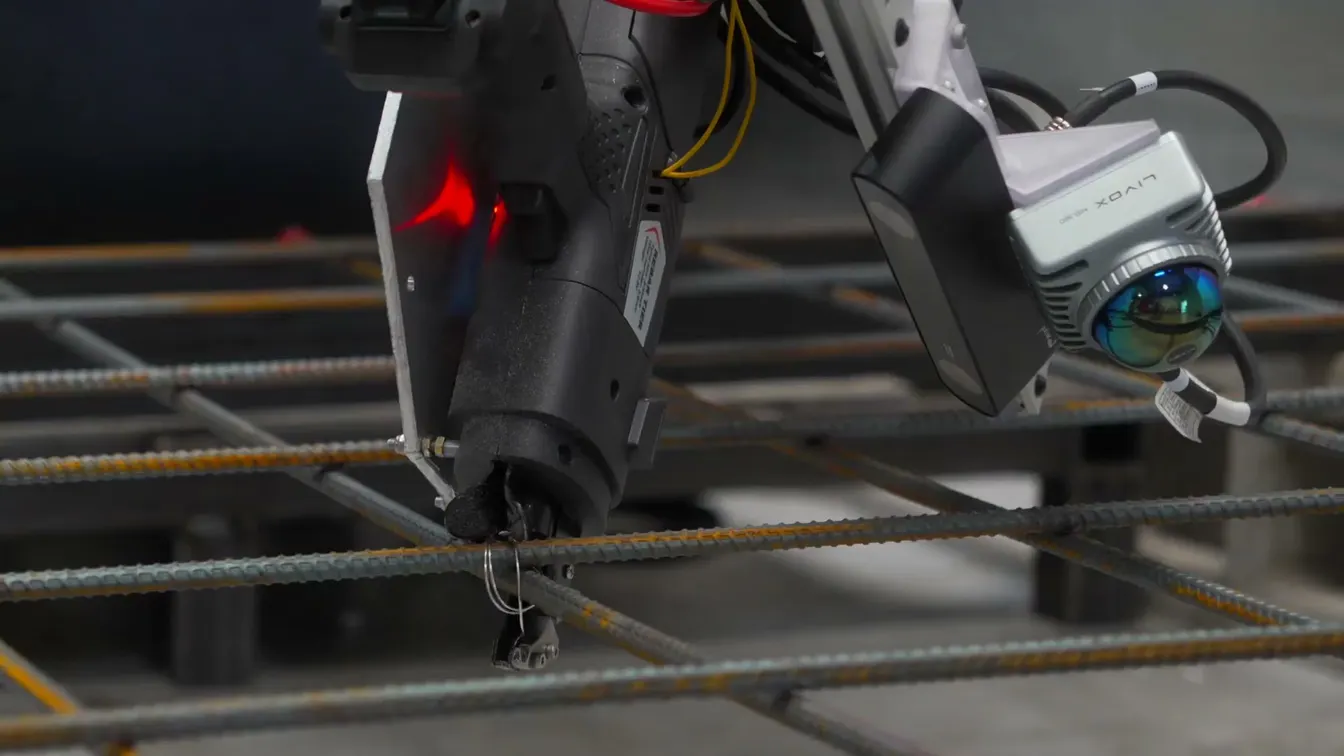
    MasTec partners to deploy physical AI on renewables projects

    Energy construction giant MasTec has partnered with Gritt , a startup that offers aftermarket robotic attachments for construction equipment, to put Gritt products on the contractor’s jobsites, according to an announcement from the startup. As part of the agreement, MasTec will use Gritt’s technology — robotic attachments with artificial intelligence-powered systems — across the firm’s renewable energy projects, per the announcement. The use of physical AI and autonomous equipment on jobsites continues to capture builders’ attention and investors’ cash. Bedrock Robotics, for example, announced that it had deployed fully autonomous excavators on Sundt Construction and Zachry Construction jobsites in August. Dive Insight: The partnership arrives after field tests during the installation of megawatts of solar panels on MasTec’s active jobsites, per the announcement.

  • AEC Magazine ·

    Rayon V4: a different bet on the future of CAD

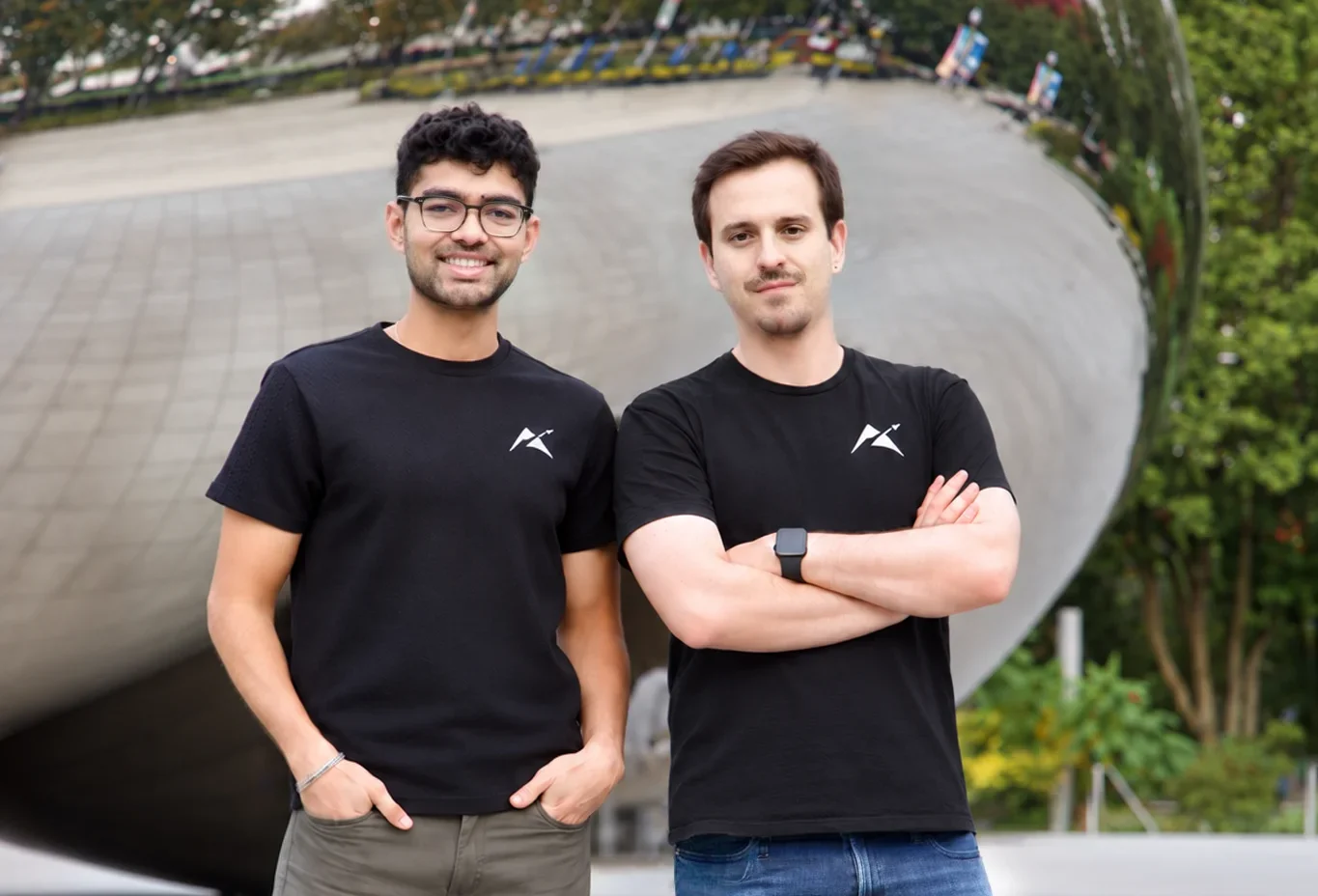
    Rayon V4 adds 3D modelling, an AI agent, generative rendering and mobile access to its browser-based design software. AEC Magazine saw the new release ahead of launch and put its AI tools to an unplanned test Much of the BIM 2.0 market is trying to take a piece of Revit, but Rayon has other plans. ‘We’re going after the gap between AutoCAD and SketchUp,’ says co-founder Stanislas Chaillou. Released today, V4 brings 3D modelling and agentic AI into Rayon’s established 2D CAD environment. Both capabilities launch in beta, adding a new dimension to a product that remains firmly focused on interiors. Prior to the launch, we met Chaillou for a demonstration. The 3D modelling was better than expected, but it was an unscripted request during the AI demonstration that raised the more interesting questions about where CAD might be heading.

  • AEC Magazine ·

    Renda and Nexalus launch liquid-cooled AI server

    Nova8 delivers eight GPUs in 4U to facilities that were never built for liquid cooling Renda has teamed up with Nexalus to launch the Renda Nova8, a liquid-cooled 4U AI server featuring eight 96 GB Nvidia RTX PRO 6000 Blackwell GPUs, each operating at its full 600W capacity. Although the RTX PRO 6000 Blackwell is normally a dual-slot card, the Nova8’s bespoke liquid-cooling design allows each GPU to occupy a single slot, enabling all eight cards to fit within the 4U chassis. The Nova8 fits into a standard 19-inch air-cooled rack, allowing operators to deploy liquid-cooling technology without installing additional piping or cooling infrastructure. Discover what’s new in technology for architecture, engineering and construction — read the latest edition of AEC Magazine Subscribe FREE here The companies claim the Nova8 delivers up to 20% greater AI throughput and 22% improved energy efficiency compared with comparable air-cooled systems.

  • Archinect ·

    2x8: RECLAIM opens Thursday in Los Angeles, showcasing student work from across California

    The 2026 edition of 2x8: RECLAIM opens this Thursday, November 19, bringing student architecture and interior design work from programs across California to the AIA|LA + ACLA Center for Communities in Los Angeles. Organized by AIA Los Angeles and the nonprofit Architecture for Communities Los Angeles (ACLA), the annual 2x8 exhibition and scholarship program connects emerging designers with the wider architecture, engineering, and construction community while providing scholarship opportunities to participating students. This year's theme, RECLAIM , asks students to consider what architecture can take back for the public, including trust, access, shared space, identity, and purpose. Against a backdrop of climate pressures, housing inequality, and cultural and institutional instability, the program challenges participants to see design not simply as the creation of new objects, but as a means to repair, reuse, adapt, and advocate. The participating programs for the 2026 exhibition are:...

  • AEC Magazine ·

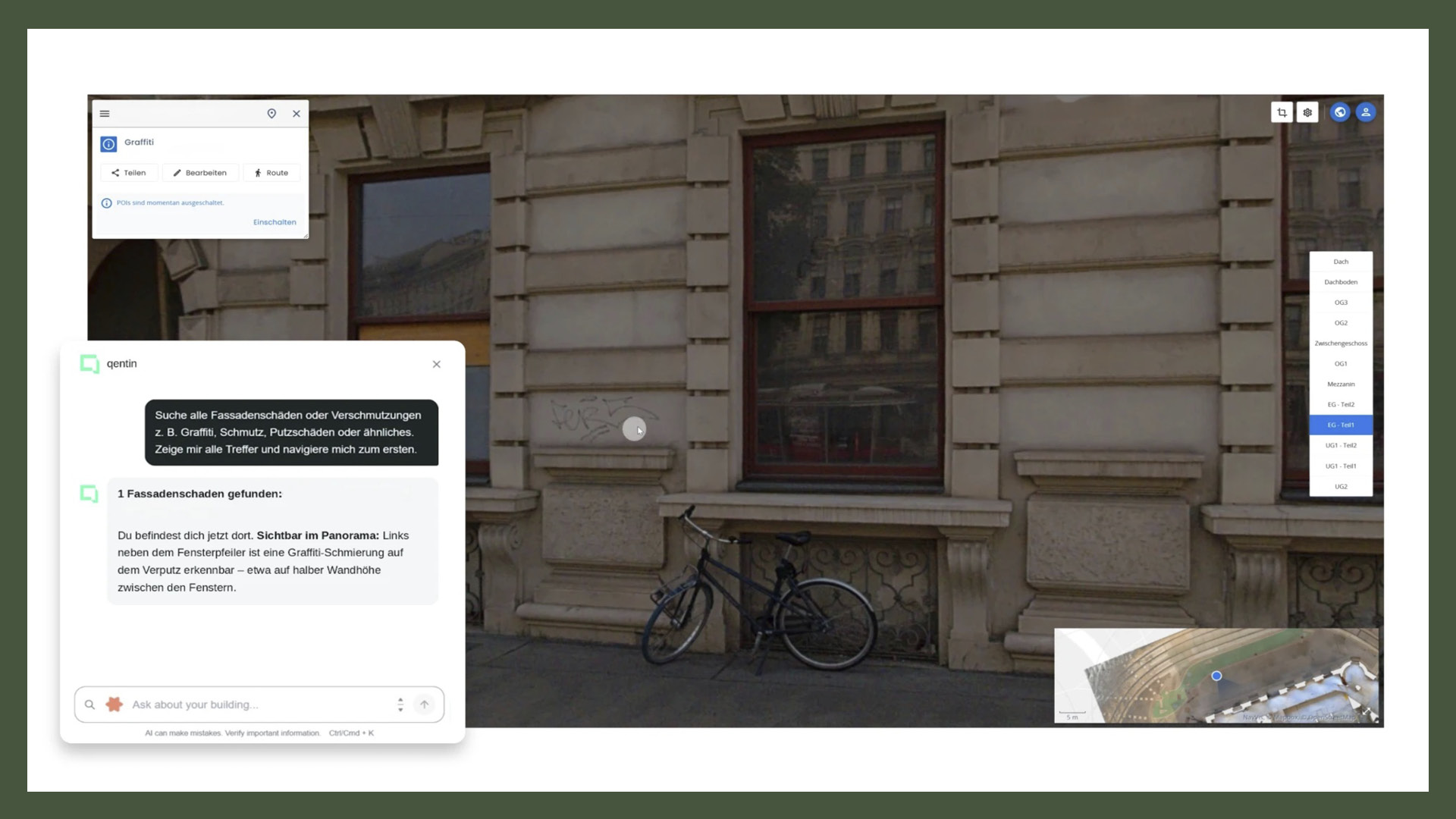
    AI makes scanned buildings searchable

    qentin helps facility managers find assets, check safety features and explore “digital twins“ using natural language. Finding all the fire extinguishers, checking for damage or locating a piece of equipment by its asset tag in a large building could become considerably easier with qentin, an AI agent that lets facility managers search laser-scanned “digital twins” using natural language. Currently in early access, the software is developed by Austrian startup qapture, which has spent the past six years laser scanning buildings across Austria, Switzerland and Germany. Its projects include 38 Ikea sites covering more than 2 million square metres. Once a building has been scanned and georeferenced, qentin uses AI to automatically detect, label and locate objects. It can also read labels and asset tags directly from the scans using text recognition.

  • AEC Magazine ·

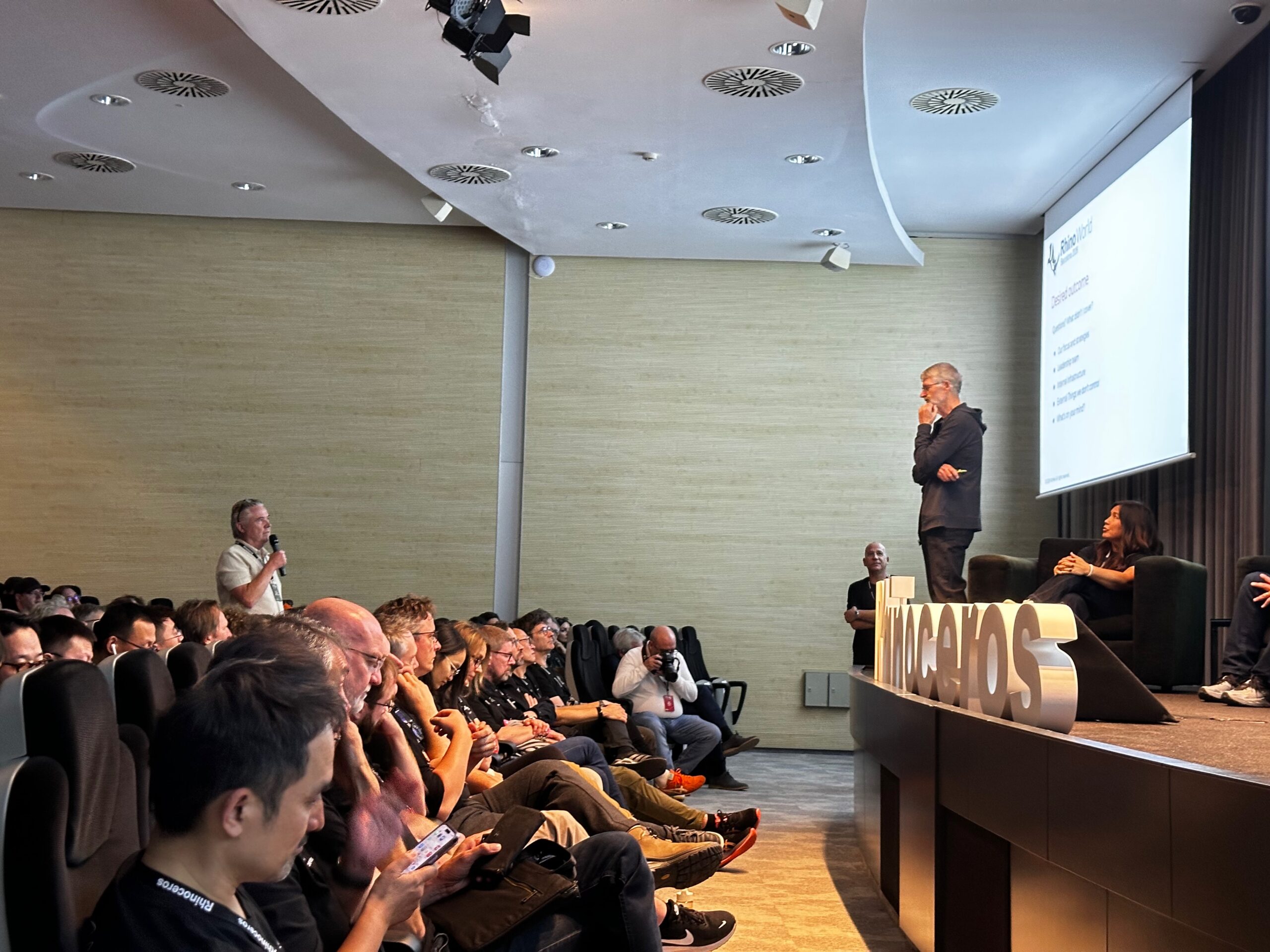
    Rhino World 2026: McNeel lets AI in

    As McNeel quietly rolls out Rhino 9, Campbell Yule reports on how the company is embracing AI, accelerating development and reshaping its software while retaining its distinctive business model. On the final afternoon of Rhino World 2026, in a session that had not been on the agenda and was added to fill a gap, someone in the audience asked the question that had hung over three days of talks about Rhino 9. When will it ship? “When do you want it?” asked Bob McNeel, the company’s founder and CEO. “Yesterday,” came a shout from the floor, followed by: “Next week. But not Monday.” “So Tuesday? Or how about Wednesday? I’ll see what we can do.” Five days later, on Wednesday 28 October, Rhino 9 was released. True to form, it happened quietly.

  • Construction Dive ·

    New Mycon CIO will focus on cybersecurity, AI

    As builders begin to consider their tech plans for their businesses in 2027, Mycon General Contractors has named Michael Shepherd as its new chief information officer , the builder announced Nov. 3. Shepherd brings a breadth of CIO and chief technology officer experience to the contractor. Before joining Dallas-based Mycon, he served as CIO for logistics specialist Gulf Winds International. From 2018 to 2022, he also served as CTO at another Dallas-based builder, Rogers-O’Brien Construction, per his LinkedIn . In his role at Mycon, Shepherd will focus on advancing the firm’s tech infrastructure, streamlining enterprise processes and identifying opportunities for automation and artificial intelligence, per the firm. AI has, for years, been a major eye-grabber in the construction industry as builders raced to figure out how to implement it into their workflows. Now, builders are starting to use the tools for design, modeling and construction-feasibility workflows.

  • AEC Magazine ·

    Archiboost looks beyond construction document checking

    Company secures $6.2m to develop a connected model of building information, to advance its AI platform that reviews drawing sets for code, coordination, and specification conflicts Archiboost, an AI platform designed to help AEC teams and building owners identify errors, omissions and coordination issues in construction documents, has announced $6.2 million in pre-seed and seed funding, led by Hanabi Capital and Marathon Venture Capital. The funding will support the continued development of Archiboost’s AI platform, including the creation of a connected model of building information that links design elements to the requirements and decisions governing them. At its heart, Archiboost is designed to replace the traditional, time-consuming process of experienced architects and engineers manually reviewing large document sets. According to the company, a single overlooked inconsistency can result in RFIs, redesigns, delays or costly changes on site.

Talk through your AI plans with our team

Book a strategy call. We'll look at where AI can save your team time, what it will take, and what to leave alone.